Three detections occurred between April 14 and 17
Saskatchewan has its first cases of highly pathogenic avian influenza (HPAI) of 2026.
The Canadian Food Inspection Agency’s (CFIA) website indicates three detections between April 14 and 17 in three separate rural municipalities.
On April 14, HPAI was detected in a commercial poultry operation in the Rural Municipality of Monet No. 257.
The next day, HPAI was detected in a non-commercial poultry operation in the RM of Stonehenge No. 73.
Then on April 17, the illness was found on a commercial poultry operation in the RM of Buffalo No. 409.
It’s unclear what kind of poultry, or how many birds, are affected.
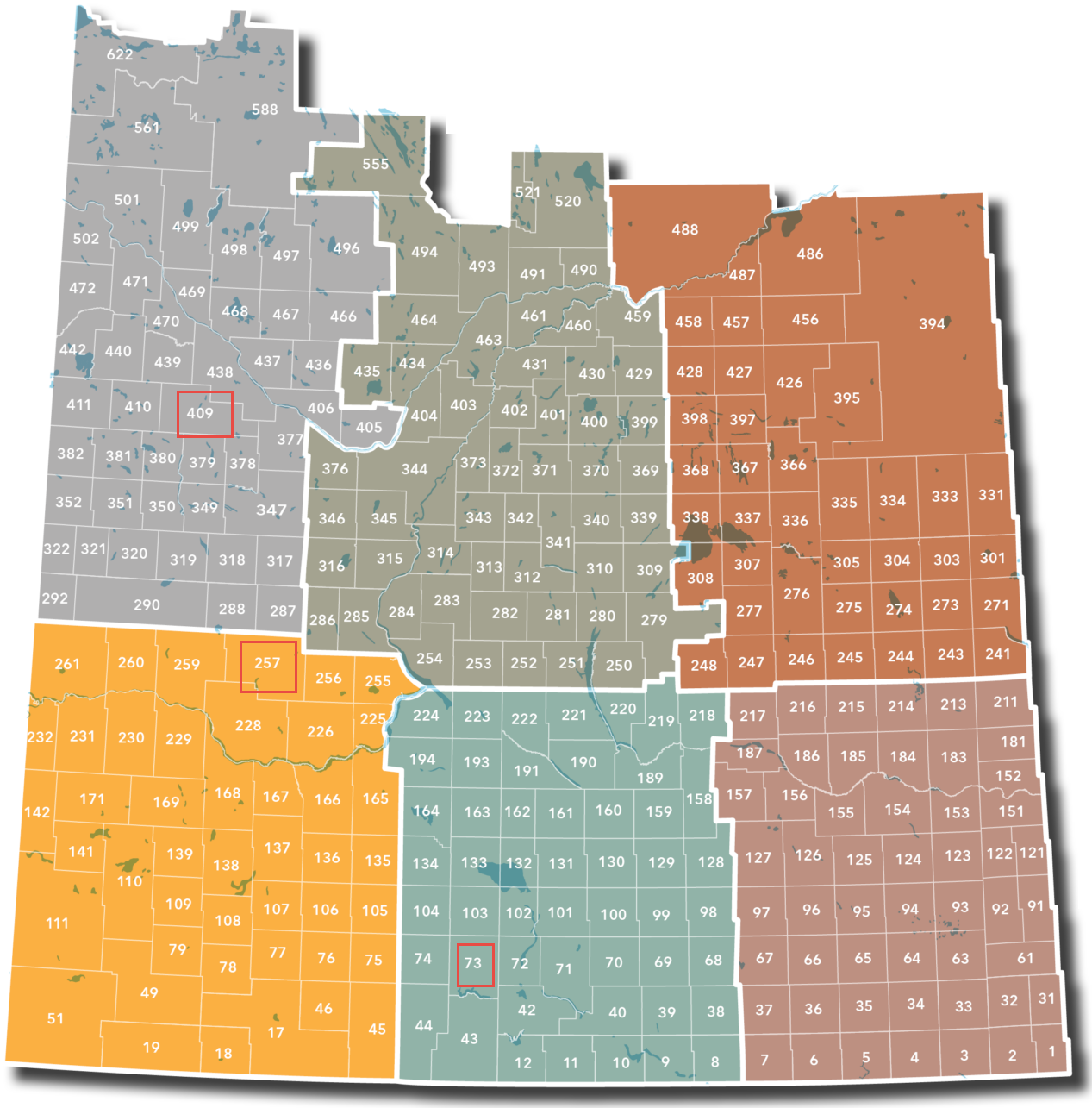
Recently affected locations are in red (SARM photo).
These recent detections of HPAI in Saskatchewan are the province’s first since the illness was found in a non-commercial poultry operation in the RM of Barrier Valley No. 397 in December 2025.
CFIA data indicates Saskatchewan currently has six infected premises with another 57 previously infected locations.
In total more than 1.2 million birds in the province have been affected by HPAI since December 2021.
With spring migration occurring, poultry are at a higher risk of becoming ill and spreading the disease.
In Saskatchewan, spring migration begins around late March and can last through May.
Work is ongoing on how to mitigate the risks of HPAI spread in poultry.
In Saskatchewan, for example, a PhD position is available at the University of Saskatchewan.
The student will investigate how GPS-tracked waterfowl use the immediate surroundings of commercial poultry and dairy farms and how these local interactions may relate to HPAI risk, the position description says.
And in Ontario, scientists at the University of Guelph are looking to develop an AI system that can predict future outbreaks.
During the spring migratory season, farmers are encouraged to look out for the clinical signs of HPAI in birds.
These signs include swollen and congested wattles and combs, a drop in egg production, and swelling of the skin under the eyes.
HPAI is a reportable disease under Canadian law and suspected cases must be reported to the CFIA.