Incident marks the second barn fire in January
By Diego Flammini
Assistant Editor, North American Content
Farms.com
A Thursday night barn fire in Mount Forest, Ontario, northwest of Guelph, has claimed the lives of 12 horses.
According to Mount Forest fire Chief Dave Guilbault, the blaze started around 10 p.m. By Friday morning the fire had been extinguished.
Reports indicate that 12 horses, all Arabian, perished as a result of the fire. Guilbault told The Canadian Press that at least one horse managed to escape.
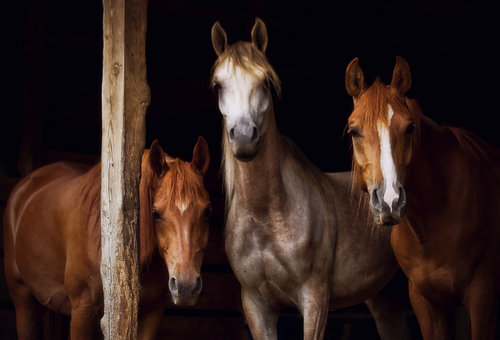
Arabian horses
The Ontario Fire Marshal’s office has been called in to begin an investigation into the cause of the fire but Guilbault speculated that a tractor may have caught fire.
Guilbault said one man was taken to hospital as a result of smoke inhalation and anxiety.
Arabian horses can be used for enhancing other bloodlines, racing, showing and pleasure riding. EquineNow.com lists Arabian horses for sale with prices reaching up to $65,000.
The barn fire in Mount Forest comes only 11 days after an overnight blaze in Puslinch killed more than 40 racehorses at Classy Lane Stables.
The Ontario Fire Marshal’s office has completed its investigation but said the final report on the cause of the fire won’t come for another few months.
The community has rallied in light of the Classy Lane Stables fire. An auction has been set up to fundraise for the owners and trainers of the horses lost in the incident. About 20 stallions are being auctioned off with the goal of raising more than $40,000.
The auction is scheduled to end Friday night at 8 p.m.