Farmers can use new information in their operations
By Diego Flammini
Assistant Editor, North American Content
Farms.com
Ontario and the Federal Government are investing in soil mapping, giving farmers new tools and technologies to understand the soil.
“Today we acknowledge the hard work and commitment that Ontario’s farmers have always put into being good stewards of the land,” said Ontario minister of agriculture Jeff Leal.
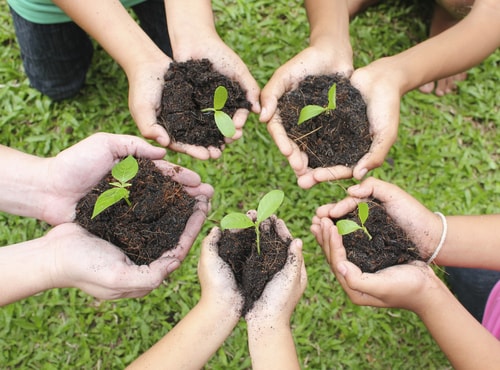
The investment of $5.1 million will help farmers alter their operations by providing data to support agricultural initiatives, contributing information about climate change and protecting Ontario’s lakes.
Soil mapping is expected to begin this spring, starting with farmland in Ottawa, Peterborough and the corridor between Cochrane and Hearst; Light Detection and Ranging, remote sensing, GIS and specialized computer software will be used to collect the data.
In 2017 and 2018, mapping will take place in the upper portion of the Grand River Conservation Authority and Temiskaming Shores.
Industry professionals are eager to use the information to their agricultural and environmental advantage.
“As farmers we strive to understand the soil’s potential and limitations, so we can develop sustainable crop production systems and conserve a robust environment,” said Gord Green, president of Ontario Soil and Crop Improvement Association.
Maryam Monsef, Member of Parliament for Peterborough-Kawartha said the investment will help farmers reduce their environmental footprint and adapt to climate change needs.