Cotton can be slower to canopy and therefore less competitive early in the growing season than other crops, which makes early-season weed control especially important (Figure 1). Weeds not only compete with cotton for water, nutrients and sunlight during the growing season, but also contribute to trash and discoloration of the lint at harvest, resulting in major dockage in quality grades and reduced value of the lint.
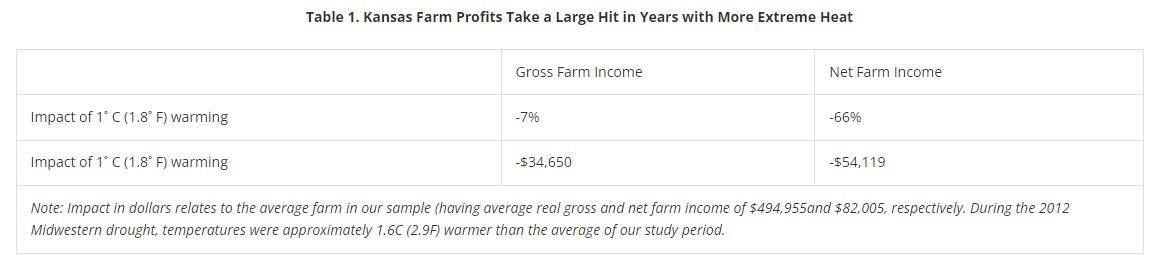
Figure 1. Residual herbicides applied at planting are needed to prevent early-season weed competition in cotton. Photo by Stu Duncan, K-State Research and Extension.
Tillage is often used to provide a “clean slate” for early-season weed control; however, the majority of Kansas cotton acreage is in conservation tillage systems, so effective herbicides are needed prior to planting. Glyphosate is often used in burndown herbicide applications, in combination with other products. Low rates of flumioxazin (Valor, others) can be applied 14 to 30 days before planting and have some residual activity. Paraquat (Gramoxone, others) and glufosinate (Liberty, others), which only control actively growing weeds, are also effective for pre-plant burndown herbicide applications. A newer herbicide labeled for burndown applications in cotton is tiafenacil (Reviton). It is a Group 14 herbicide applied at 1 to 3 fluid ounces per acre, and works best when applied with glyphosate for grass control.
If dicamba-resistant cotton is planted, approved dicamba formulations (XtendiMax, Engenia, or Tavium) can be used in a burndown program with no waiting period before planting. There is a 21- to 28-day waiting period if non-dicamba-resistant cotton is planted and/or other labeled dicamba formulations are used. Similarly, the 2,4-D formulations Enlist One and Enlist Duo may be applied pre-plant with no waiting period in 2,4-D-resistant cotton, but there is a 30-day waiting period if non-2,4-D-resistant cotton and/or other labeled 2,4-D formulations are used.
Residual herbicides applied at planting are the foundation of any good weed management program. Not only are they necessary to prevent yield loss, they are also recommended to manage or delay the development of herbicide-resistant weed populations. Some effective residual herbicides for early-season use in cotton include Group 15 herbicides like acetochlor (Warrant, others), S-metolachlor (Dual, others), dimethenamid-P (Outlook), and pyroxasulfone (Zidua). One drawback of these herbicides is their requirement for about ½ inch or more of rainfall for maximum activity. Group 5 herbicides like fluometuron (Cotoran), and prometryn (Caparol) do not have this requirement. However, these herbicides do have some limitations in terms of rotation restrictions to crops like corn, grain sorghum, and wheat. Similarly, pyrithiobac-sodium (Staple) will prevent rotation to grain sorghum in the following year. This restriction, along with the prevalence of ALS-resistant weeds has resulted very little Staple use in Kansas.
Group 15 herbicides can also be applied over-the-top of cotton in a layered residual approach, if the maximum application rate for the season is not exceeded at planting. Layered residual herbicides can be especially important in cotton because it is slow to canopy (Figure 2). It is important for these, and all herbicide applications to be made when cotton is at a growth stage allowed on the herbicide label. Post-emergence applications of labeled dicamba formulations (XtendiMax, Engenia) in dicamba-resistant varieties can also provide some residual control without the requirement for activating rainfall.
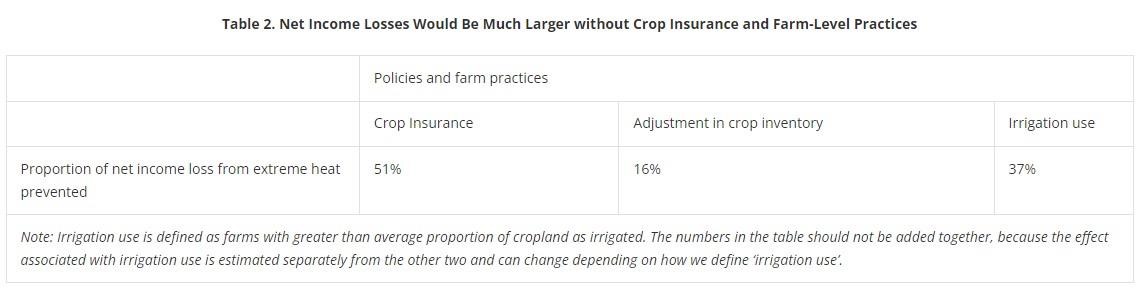
Figure 2. Residual herbicides applied post-emergence prevent late-season weed competition in cotton. Photo by Stu Duncan, K-State Research and Extension.
Source : ksu.edu