Farms.com Home   News

Growing wheat in the Arizona desert

By Pam Knox

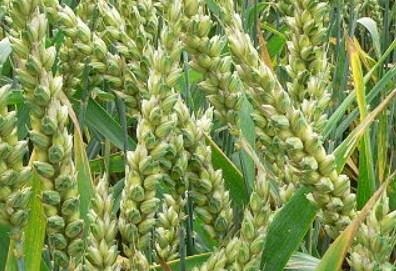
Here is an interesting story from AZCentral that describes how one Arizona farmer is growing wheat and other crops in the desert by careful use of water combined with regenerative agriculture, a process of rebuilding soil organic matter and restoring degraded soil biodiversity through cover crops and other conservative methods. By growing his crop organically, he has increased the market value at the same time that he is using much less water and releasing less carbon to the atmosphere than when he grew conventional crops. The health of the soil has also improved and organic matter has increased. You can read more about his methods here.
corn

Source : uga.edu

Trending Video

How Can We Grow More Food With Less Impact?

Video: How Can We Grow More Food With Less Impact?

For over two decades, Dr. Mitloehner has been at the forefront of research on how animal agriculture affects our air and our climate. With deep expertise in emissions and volatile organic compounds, his work initially focused on air quality in regions like California’s Central Valley—home to both the nation’s richest agricultural output and some of its poorest air quality.

In recent years, methane has taken center stage in climate discourse—not just scientifically, but politically. Once a topic reserved for technical discussions about manure management and feed efficiency, it has become a flashpoint in debates over sustainability, regulation, and even the legitimacy of livestock farming itself.

Dr. Frank Mitloehner, Professor and Air Quality Specialist with the CLEAR Center sits down with Associate Director for Communications at the CLEAR Center, Joe Proudman.