By Lisa Schnirring
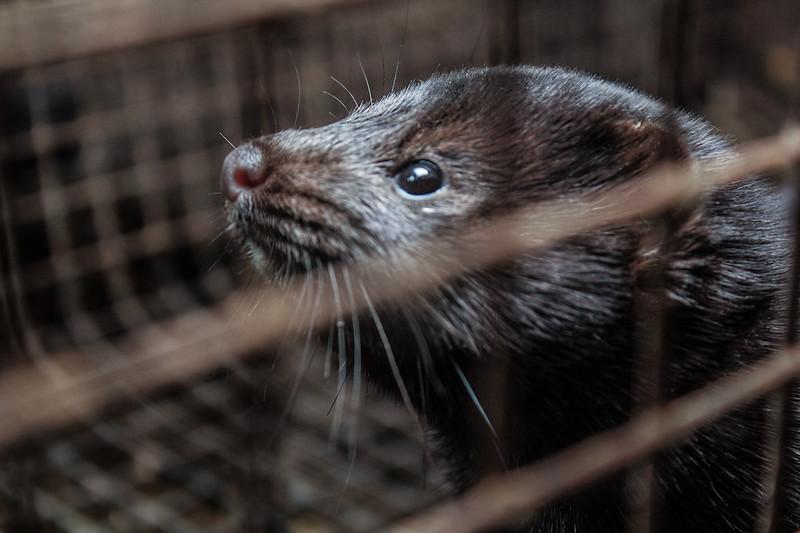
The Finland Food Authority has reported another H5N1 avian flu outbreak at a fur farm, this time at a facility housing minks in a newly affected region.
The virus was detected on September 27 at a farm in Alavieska, a town in Northern Ostrobothnia region in the west central part of the country. The outbreak brings the number of outbreaks in the country's fur farms since the middle of July to 27.
Finland recently ordered culling of animals at all outbreak farms. Minks are thought to be a potential mixing vessel for respiratory viruses.
The outbreaks in Finland have intensified scientists' calls for shuttering fur farms to reduce the risk of flu viruses that have pandemic potential.
Denmark and Israel report new outbreaks in birds
In other avian flu developments, two countries reported more H5N1 outbreaks in poultry or other birds, according to recent notifications from the World Organization for Animal Health (WOAH). Denmark's outbreak began on September 26 at a backyard location housing 30 chickens and ducks on the island of Lolland in southern Denmark.
Elsewhere, Israel reported an outbreak that began on September 21 at a mini zoo in Northern District housing 350 birds, some caged and some free range. About 50 of the free-ranging birds died, including peacocks, ducks, chickens, geese, and guinea fowl.
European officials urge precautions ahead of fall migration
The European Food Safety Authority (EFSA) today released its latest avian flu update, which urged the poultry industry to tighten their biosecurity practices ahead of the fall migration season.
The group said though poultry outbreaks eased over the summer, H5N1 continued to strike seabird populations across European country coastlines. It noted that introductions to mammals, including the outbreaks at Finnish fur farms, likely occurred through contact with wild gulls, though farm-to-farm transmission can't be excluded.
The risk to the general public remains low, and low to moderate for people who have occupational exposure, the EFSA said.
Source : umn.edu