Blueberries are a high-value fruit crop that is becoming increasingly popular worldwide. Alabama’s blueberry acreage has tripled in the last decade. Proper cultivar selection is one of the first, and perhaps the most, important decision a grower can make when planting blueberries. Among the first things to consider are the intended market, the proper marketing strategy, local climate, cultivar season of ripening, berry quality, and the method of harvest. These factors will determine the desired vegetative, flowering, and fruiting characteristics of the blueberry cultivars to consider for the operation.
The University of Georgia blueberry breeding program has recently released two early season, large-fruited rabbiteye blueberry cultivars named Krewer (figure 1) and Titan (figure 2). Other new blueberry cultivars, include the USDA developed Pink Lemonade (figure 3), which possess unique pink fruit color and attractive appearance. Research is currently being done on these cultivars and others to test their vegetative growth and cropping potential in Alabama conditions.
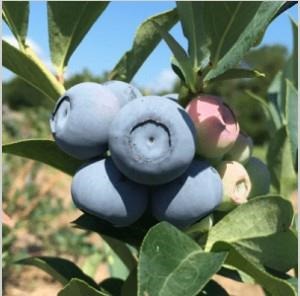
Figure 1. Ripening berries of the early-season cultivar, Krewer.

Figure 2. Ripening berries of the early-season cultivar, Titan

Figure 3. Ripening berries of Pink Lemonade cultivar.
2021 Research Update
Selected rabbiteye blueberry cultivars were planted in a research setting at the Chilton Research and Extension Center in 2019 to evaluate their productivity and assess each cultivar’s fruit quality under central Alabama growing conditions. In addition to Titan, Krewer, and Pink Lemonade, the study also includes the early-ripening cultivars Alapaha, Climax, Vernon, and Premier and the late-season cultivars Powderblue, Tifblue, and Oclockonee. Data collection and measurements include blooming season, cold hardiness, crop load, season of maturity, fruit quality, and pest resistance.
In 2021, total yield per plant was the highest for the Ochlockonee blueberry, averaging 8.3 pounds per plant (table 1). Tifblue and Powderblue also had a good crop of 7.3 pounds per plant, followed by Krewer with 5.9 pounds per plant. The yield of Titan and Pink Lemonade was 1.0 and 0.9 pounds per plant respectively. Krewer produced the largest berry size of 2.8 grams on average, followed by Titan with an average berry size of 2.5 grams.
The berry sweetness for all of the studied cultivars except Titan was lower in 2021 (table 2.) possibly due to the frequent rain events in the summer. Titan bushes grew a relatively low number of berries, which allowed the fruit to accumulate more sugars due to the reduced competition.
Table 1. Total Yield Per Plant of Selected Blueberry Cultivars, 2021
Table 2. Soluble Solids Content of Selected Blueberry Cultivars
Source : aces.edu