Saskatchewan ranchers deal with cumulative loss of $300,000
By Jennifer Jackson
Investigations continue as animal protection officers try to find out exactly why and how over 200 cattle died in a grazing pasture outside of Shamrock, Sask.
The cows were discovered dead on Friday in a grazing pasture leased and operated by Shamrock Grazing Ltd., according to CBC. The pasture is government-owned.
Officers from the Animal Protection Services of Saskatchewan are working to understand the circumstances that led to this tragedy, according to Kaley Pugh, executive director of the Animal Protection Services.
“The question we'll be trying to answer is: was there neglect on the part of the people that were caring for the animals?,” she told CBC. “Did (those caring for the cattle) fail in their duty to provide adequate food, water, shelter and care? Or was this just an unfortunate circumstance that really couldn't have been prevented and really could have happened to anybody?”
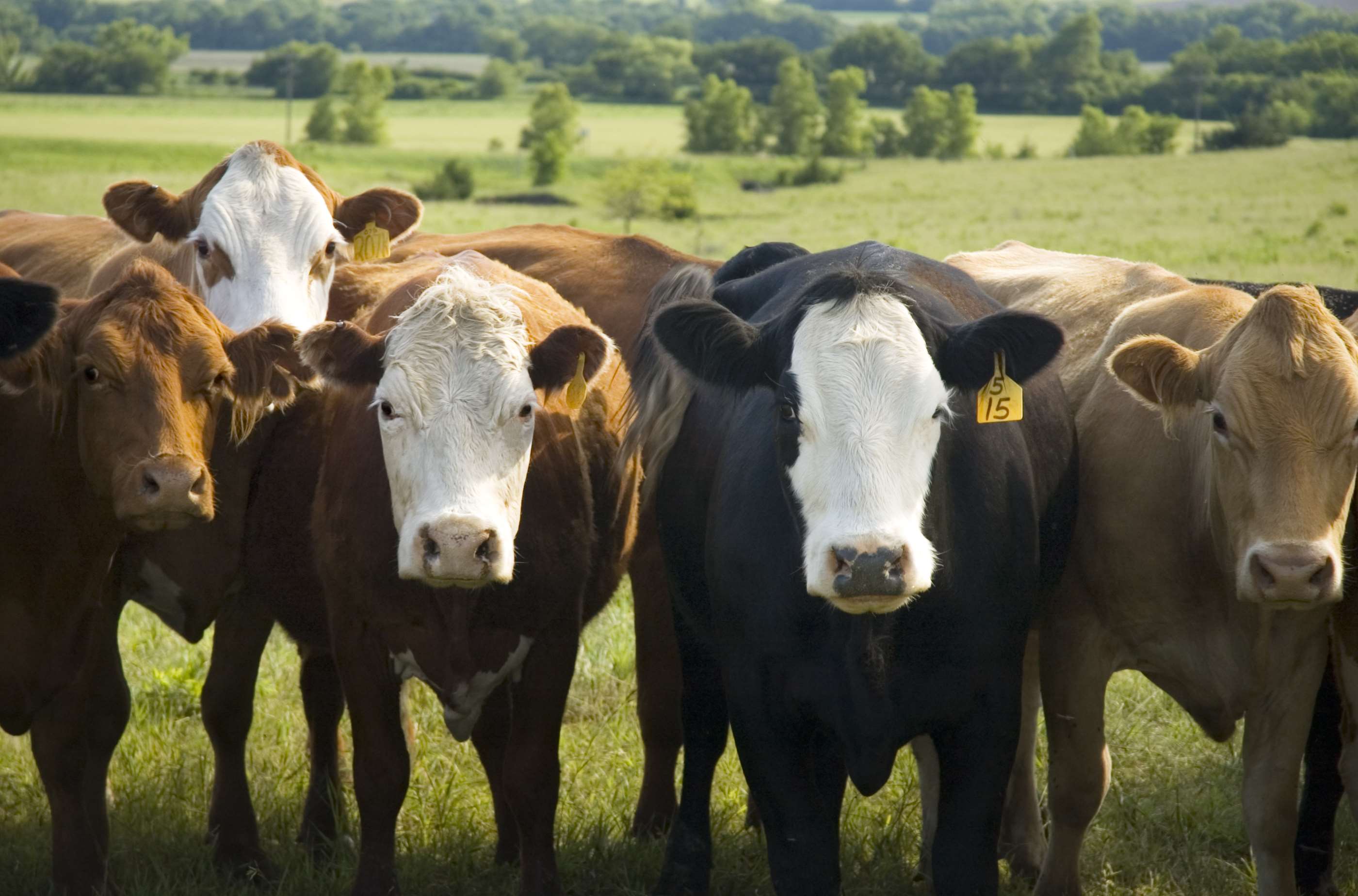
The cattle did not die as a result of neglect, according to Glenn Straub, president of Shamrock Grazing Ltd. The animals were moved to the new pasture July 1, checked in on July 2 and were found dead five days later, Straub told CBC.
While ranchers estimate their losses, Straub is focused on the care of the weak and surviving cattle.
“To these cattlemen, it’s almost like losing their family,” he told CBC.
Russ Coward is one of these cattlemen. Coward does not blame anyone for what he calls a tragedy, according to CBC.
“We're doing as well as we can,” Coward told CBC. “We're working with our friends and neighbours.”
Preliminary tests found the cattle died from salt poisoning and dehydration, Betty Althouse, chief veterinarian officer for the Government of Saskatchewan, said at a news conference on Monday. These health problems likely were caused by hot weather causing groundwater to evaporate, leaving high concentrations of salt.
“An analogy would be somebody shipwrecked on the ocean,” she said. “We may be thirsty and craving the water, and we'll drink the ocean water, but it will kill you to drink salt water. It's the same thing with the animals.”
Saskatchewan’s Ministry of Agriculture speculates the loss of cattle will represent a total loss of $300,000 for the involved ranchers.
Along with the Ministry, the RCMP and Animal Protection Services continue the investigation.
“I've never seen a case exactly like this ... where the actual quality of the water is in question and the quality of water that was changing over time,” Pugh told CBC.
Farms.com has reached out to Saskatchewan’s Ministry of Agriculture for updates on the investigation.