The public can submit their ideas until Apr. 30
By Diego Flammini
News Reporter
Farms.com
The public is encouraged to submit ideas on how to improve British Columbia’s Agricultural Land Reserve (ALR) and its Commission.
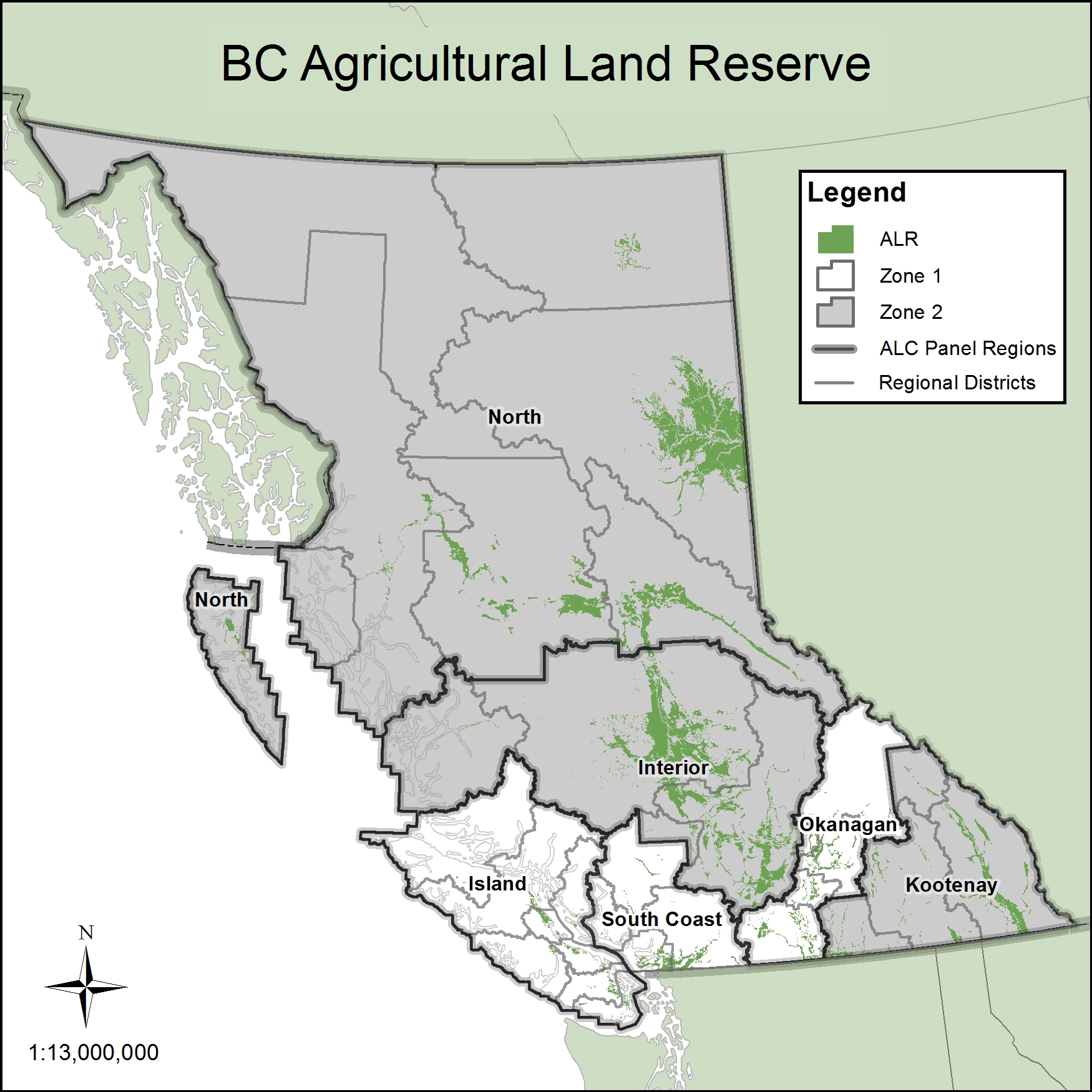
The ALR is 4.6 million hectares of provincially owned land where agriculture is seen as the land’s main use. The Agricultural Land Commission is an independent tribunal charged with administering the Agricultural Land Commission Act.
A nine-member group assembled by Agriculture Minister Lana Popham released an online survey and consultation paper last Monday.
British Columbians can submit their ideas until Apr. 30. And people from the ag community, as well as other interested parties should share their suggestions, according to a local rancher.
Dave Zirnhelt and his wife Susan own Zirnhelt Ranch in Beaver Valley.
Food is always on people’s minds but farming usually isn’t, he said. So participating in this survey can help people shape the future of agriculture and food security.
“When I say get out to support farming, there’s many areas that need our support,” he told Farms.com today. “If we’re going to be food secure and support further farming development in the ALR, we’re going to have to help farmers get a little bit bigger and work together.”
Farmers obviously understand the importance of food production, land access and other issues facing agriculture.
But the survey helps those from outside the agricultural community in gaining an understanding of these issues.
“When farmers have a drought, (for example), the price of food goes up in the grocery stores,” Zirnhelt said. “And one doesn’t know how disasters like floods and fires will impact transportation, which can also impact food prices.”
Keeping with theme of transportation, some areas of B.C. only have one road that travels north and south, which can also lead to food issues, he added.
Any legislative changes that come out of the survey would come into effect in late 2018 or early 2019, Popham told CBC last Monday.