A number of countries, including Holland and Japan, are dealing with the disease
By Diego Flammini
Assistant Editor, North American Content
Farms.com
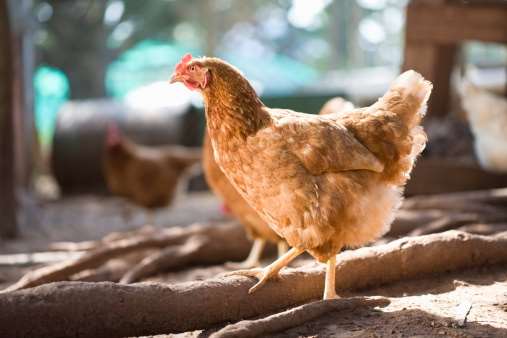
Hundreds of thousands of chickens, ducks and other birds are being destroyed around Europe and Asia as farmers are dealing with the highly contagious H5N8 strain of avian flu.
The same strain was found in 2015 in California, Nevada and Indiana.
According to The Associated Press (AP), the culling of about 310,000 birds started on Tuesday at a chicken farm in Niigata, Japan. Around 165,000 ducks in Aomori are also being destroyed.
AP reports that Japanese officials restricted poultry and egg movements within five miles of the infected farms.
Japan’s Environment Minister, Koichi Yamamoto, said experts will investigate the infected areas. The Agricultural Ministry said it’s also sending an investigation team to these sites.
According to Reuters, farms in Denmark, Finland, Germany, Sweden and the Netherlands are also affected by the H5 strain of bird flu.
In Holland alone, nearly 190,000 ducks were destroyed at six farms, Reuters reports.
AP reports that in Germany, 16,000 turkeys and 92,000 chickens have been destroyed, while Euronews reports that France, Europe’s largest poultry producers, has discovered H5N8 in wild ducks that spread the disease to domestic birds.
“We’ve seen that there have been cases of wild birds contaminating domestic poultry,” Loic Evain, chief veterinary officer of the French Agriculture Ministry, said to Euronews. “It’s a risk that we clearly can’t rule out. That’s why it’s very important all the farmers’ protection measures are taken to avoid the transfer of the virus from the wild to our livestock.”
With the outbreak overseas, it may be a good time to review how to prevent avian flu from spreading.
Suggestions from the USDA include:
- Restricting access to your farm
- Following strict biosecurity measures, including scrubbing boots and keeping equipment clean
- Not borrowing tools or equipment from other poultry owners
- If you’ve shown birds at a fair or exhibition, keep them separated from the rest of the flock for at least 30 days after the event
Signs a bird may be infected with avian flu include sudden death, loss of appetite and an unexplained drop in egg production.