Impressive panel of scientists discusses and debunks myths following the film
By Denise Faguy, Farms.com
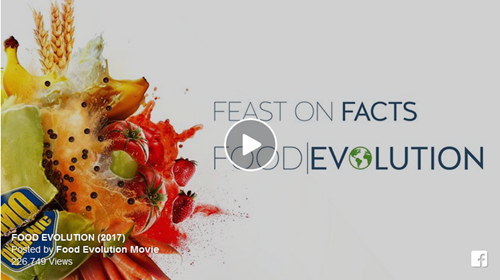
The University of Guelph hosted the Canadian premiere of the movie Food Evolution. The movie premiered in New York City in November but this was the first time the movie was seen in Canada.
The movie presents scientific facts on GMOs (Genetically Modified Organisms) and debunks myths and misinformation. For lay people, it also extricates many issues, such as GMOs, pesticide use, multi-national corporations etc., which are intertwined into the controversial topic but are generally not separated out and properly understood. While the movie presents scientific facts, it does so in a compelling fashion with a strong “Hollywood” influence and seeks to move people’s views on the issue.
The 93-minute movie is worth seeing because it helps to provide clarity on the issue and facts that can be used when trying to discuss food and safety issues with non-farmers.
The film begins with the ban of GMOs in in Hawaii that was eventually amended and then overturned. It shows the GMO side of that ban, by speaking with the scientist who developed the rainbow papaya – a development which saved the papaya industry in Hawaii.
The movie features leading scientists, as well as farmers from around the world. For the scientists involved with the movie and in the panel discussion following the movie at the University of Guelph, the goal is to demonstrate that scientific results need to be repeatable. Once a scientific truth is established, laws should be made based on those scientific truths.
The movie is powerful in showing how the myths of debunked studies continue to be used by anti-GMO advocates, years after these studies have been proven to be false.
The Institute of Food Technologies (IFT), which is a non-profit organization of food scientists and technologists, funded the creation of the film. The movie features a long list of well-respected scientists. Two of these individuals were Alison Van Eenennaam and Mark Lynas, who were part of the panel discussion at the University of Guelph. Attendees had the opportunity to ask questions of these renowned scientists.
The movie has struggled with distribution.
For more information about the movie: http://foodevolutionmovie.com/