Secretary Perdue calls it a ‘tremendous’ breakthrough
By Diego Flammini
Assistant Editor, North American Content
Farms.com
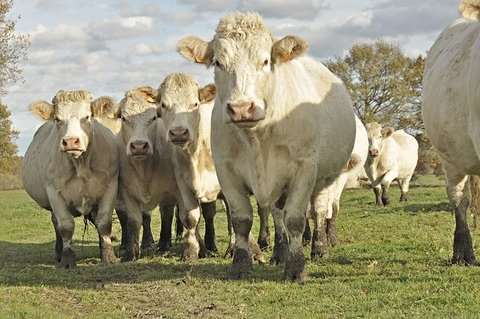
For the first time since 2004, American beef imports will head to China, according to the United States Department of Agriculture and U.S. Department of Commerce.
“(American) beef producers will once again have access to the enormous Chinese market, with a strong and growing middle class, which had been closed to our ranchers for a long, long time,” Secretary of Agriculture Sonny Perdue said in a May 12 release.
During their Presidential Summit in April, U.S. President Trump, Chinese President Xi Jinping and other delegates agreed to present initial comments on a U.S.-China Comprehensive Economic Dialogue within 100 days.
Under the negotiated agreements, imports are to begin no later than July 16, 2017.
China banned U.S. beef in 2003 after bovine spongiform encephalopathy (BSE) concerns.
The newly-granted beef access is good news, says Iowa Cattlemen’s Association.
“For Iowa cattle producers and their fellow cattlemen around the country, getting U.S. beef into China means increased sales and greater value for the product they work hard to produce,” Iowa Cattlemen’s Association said in a release on May 12. “China is home to … a growing middle-class that is larger than the entire U.S. population. These middle-class consumers ae buying record amounts of protein…”
Biotechology is also part of the negotiations.
China’s National Biosafety Committee will hold a meeting by the end of May to conduct science-based evaluations of eight pending U.S. biotechnology product applications, as per the agreement.
China will decide to approve the products or be transparent about their rejections. And that’s big step in the right direction, says the American Soybean Association.
“This week’s announcement that the Chinese have committed to ruling on eight outstanding traits is a major step forward,” Ron Moore, American Soybean Association president, said in a May 12 statement. “There’s not a soybean farmer in the country that doesn’t recognize the importance of the Chinese market to his or her success. The Chinese are our most significant trading partners…”
China will also export cooked poultry products to the U.S. “as soon as possible,” according to the negotiations.