Lack of moisture could impact grass and forage
By Diego Flammini
Assistant Editor, North American Content
Farms.com
Farmers, in Alberta especially, need rain.
After an extremely dry and warm winter, producers in the province are hoping the rain falls as a crucial time approaches.
Murray Marsh, a grain and cattle farmer near Carstairs, Alberta, told CBC that some of his 120 cows are ready to give birth and rains are needed to provide enough food for the herd.
“If we don’t get the moisture prior to mid-April, it starts to limit the amount of grass and forage we’ll get,” he said.
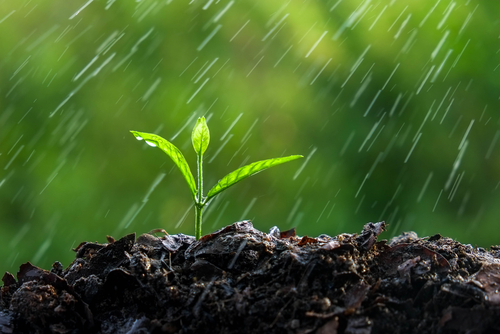
“It would be ideal if we could get some moisture now,” Debbie Marsh, Murray’s wife said in an interview with CBC.
According to Alberta Agriculture and Forestry’s latest Moisture Situation Update, parts of Alberta experienced the kind of drought that only comes around every 50 years.
Rain is coming, but producers in Alberta wonder if it will be enough.
Data from The Weather Network shows light rain on Thursday, April 14, and Monday, April 18 could be cloudy with showers.
Alberta farmers have been struggling with drought since at least last August, when the province declared an agricultural disaster after uncooperative weather was estimated to decrease crop yields by as much as 30 per cent.