Ontario is investing $3.7 million to increase production
By Diego Flammini
Assistant Editor, North American Content
Farms.com
The Government of Ontario is investing $3.7 million to help farmers in Northern Ontario produce more crops.
Four projects, run by consortiums of farmers, will receive the funding through the Northern Ontario Heritage Fund Corporation. A total of 76 farmers are involved with the projects, which include clearing more land for agricultural use and installing tile drainage systems.
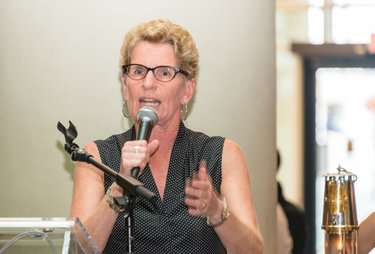
“Our government is investing in projects to clear land for farming and improve yields on existing land, which will increase the food supply in the region and give more Northerners access to sustainable, locally grown produce,” Premier Kathleen Wynne said in a release. “By helping farmers expand agricultural production in Northern Ontario, we are diversifying the economy and supporting growth for years to come.”
The funding breaks down as follows:
- $1 million to the Northern Ontario Farm Innovation Alliance (NOFIA), a non-profit organization that provides research and innovation infrastructure for agriculture in Northern Ontario, for about 1,900 acres of land for a group of farmers in the Timiskaming and Cochrane regions.
- $999,925 to NOFIA for approximately 1,897 acres of land for an association of 12 farmers in the Timiskaming and Cochrane regions.
- $952,200 to West Nipissing East Sudbury Agricultural Support Projects Inc., for about 1,587 acres of land for an associaiton of farmers in the Nipissing and Sudbury regions.
- $793,725 to Sault. Ste. Marie Innovation Centre for approximately 1,383 acres of land for a group of 29 farmers in the Algoma and Sudbury West regions.