Report issued August 17
By Diego Flammini
Assistant Editor, North American Content
Farms.com
OMAFRA’s Field Crop Team released its August 17 Field Crop Report and the recent rain appears to have helped the suffering crops.
“Crops that will benefit most are hay, pasture, longer day soybean varieties and emergency forage and cover crops seeded after winter wheat and spring cereal harvest,” the report said.
When it comes to wheat, the report indicates the winter wheat harvest is complete and most of the spring cereals have also been harvested. Despite a high-quality crop, the Field Crop Team said spring cereal yields have been average to mostly below average.
As far as soybeans go, the report says the shot of precipitation will go a long way for some struggling fields.
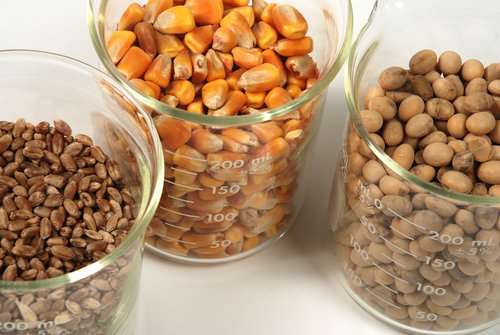
“Some fields have started to turn colour, but flowering continues and pods continue to fill, so soybeans will benefit from this recent rain. As well, the recent rain should reduce the spider mite pressure,” the report said.
Despite the rain, it appears some corn fields across Ontario are still struggling. Farmers are considering different ways to use and market weaker crops.
“Many fields are under-developed and have incomplete pollination due to the dry weather,” the report said. “Several growers are considering selling drought-stressed corn as silage off the field to local livestock producers.”