Saskatchewan, Alberta in strongest opposition to carbon pricing, says poll
By Kaitlynn Anderson
Farms.com
Basic economics can explain the disproportionate effect Canada’s primary producers will face under the federal government’s proposed carbon-pricing plan.
That’s the assertion coming from the Agricultural Producers Association of Saskatchewan (APAS).
The organization said today that, unlike other areas, primary producers do not have the ability to distribute added costs down the value chain. Farmers are price-takers – they do not set the price they receive for their raw goods.
Agriculture is a high-risk endeavour, and adding a carbon tax will contribute to this risk.
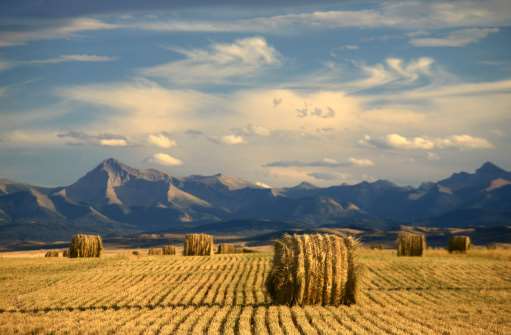
Getty Images - Andrew Penner
“When you add in the impact of all inputs, costs could go up between $15 and $20 an acre at $50 per tonne,” Todd Lewis, APAS president, explained in a release today.
“Because energy and input costs are such a large factor in farm profitability and can’t be passed along the value chain, producers already have a lot of incentive to reduce operating costs by operating as efficiently as possible.
“When more efficient technologies, crops and management practices are available, they are quickly adopted. More crops and livestock are now being produced than ever before, with a lower energy footprint.”
The national carbon tax is facing declining support – to 44 per cent last month, down from 56 per cent in April 2015 – according to poll results released today by the Angus Reid Institute. Opposition has increased sharply in Western Canada, with Saskatchewan at 71 per cent and Alberta at 68 per cent against the plan.
With the influence agriculture has on the carbon cycle, these may not be surprising sentiments.
“Saskatchewan crop producers currently sequester an additional 8.5 megatonnes of carbon through improved management practices every year, and Prairie pastures sequester over two billion tonnes,” Lewis said in the release.
APAS will be holding a Carbon Summit in Saskatoon on July 13 and 14 to discuss agriculture’s role in sequestering carbon.