November marks 3rd Friday the 13th in 2015
By Diego Flammini, Farms.com
There’s an old adage stating that bad things happen in threes.
For those who are extremely superstitious, now would be the time to grab a lucky rabbit’s foot, avoid ladders and black cats, and turn your clothes inside out in an effort to bring yourself good luck.
Friday, November 13th marks the third Friday the 13th in 2015 with the other two occurring in February and March.
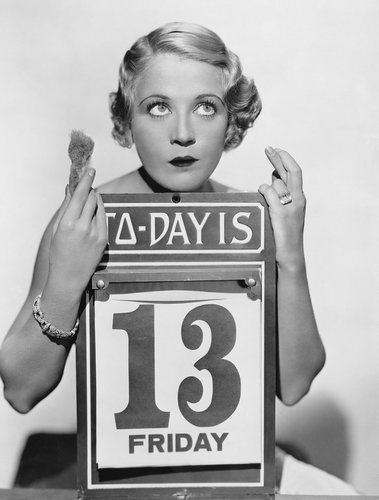
With the infamous day come many superstitions and agriculture has its own.
“Evidently mine is to never sell at the high,” said Daren Niemeyer, a producer from Bladen, Nebraska via Twitter on Friday morning.
“Keep a smelly billy goat with your cows and they’ll never get sick,” said Katherine Grossman from Pennsylvania on Twitter.
Filipino farmers are also known to have interesting superstitions.
An article from 1919 in The Journal of International Relations by Emma Sarepta Yule states that “when the farmer sows the rice in the seed-bed he must be alone so that if locusts or other insect pests come to destroy the crop they will not come in large numbers.”
Another superstition says Filipino farmers don’t plow the soil deep because the roots of plants are afraid of the dark.
Other farming superstitions include:
- Never starting a job on a Friday
- Never planting on the 13th or 31st of any month
- Rain on Easter Sunday means it will rain for the next seven Sundays
- When raising animals, never have 13 of one breed or species
- Sowing crops from north to south will perform better than crops sown east to west
There’s only one Friday the 13th in 2016 and that will happen in May.
Join the discussion and tell us your thoughts on agricultural superstitions. Do you have any?