Designation was announced by the United Nations
By Diego Flammini, Farms.com
With just over a month to go in its 2015 International Year of Soils celebrations, the Food and Agriculture Organization (FAO) of the United Nations announced the focus of celebrations in 2016.
2016 will be recognized as the International Year of Pulses.
The FAO is hoping the yearlong dedication to pulses will increase public knowledge about pulses, their nutritional benefits, trade challenges facing pulses and more.
The United Nations defines pulses as “crops harvested solely for dry grain” and “annual leguminous crops yielding between one and 12 grains or seeds of variable size, shape and colour within a pod, used for both food and feed.”
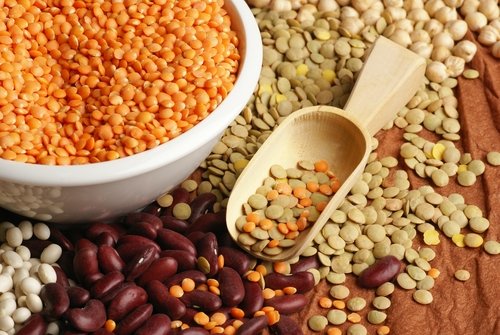
Examples of pulses include lentils, beans, peas and chickpeas.
According to the United States Department of Agriculture’s Economic Research Service, the United States exported more than $800 million worth of dry pulses in 2014, most of which went to Mexico and India.
When it comes to Canadian production of pulses, Agriculture and Agri-Food Canada’s data from 2009 shows that more than 2 million hectares of pulses were harvested, resulting in more than $2 billion worth of exports. The top destinations for Canadian pulses in 2009 were India and Bangladesh.
The United Nations has launched an online album on Flickr for people to view the ongoing celebrations and will be using the hashtag #LovePulses on Twitter to increase social media engagement.
Join the conversation and tell us your thoughts about 2016 being the International Year of Pulses. What are some unknowns about pulses that consumers need to know?