Pigs have body systems more like humans than mice do, researchers say
By Kaitlynn Anderson
Farms.com
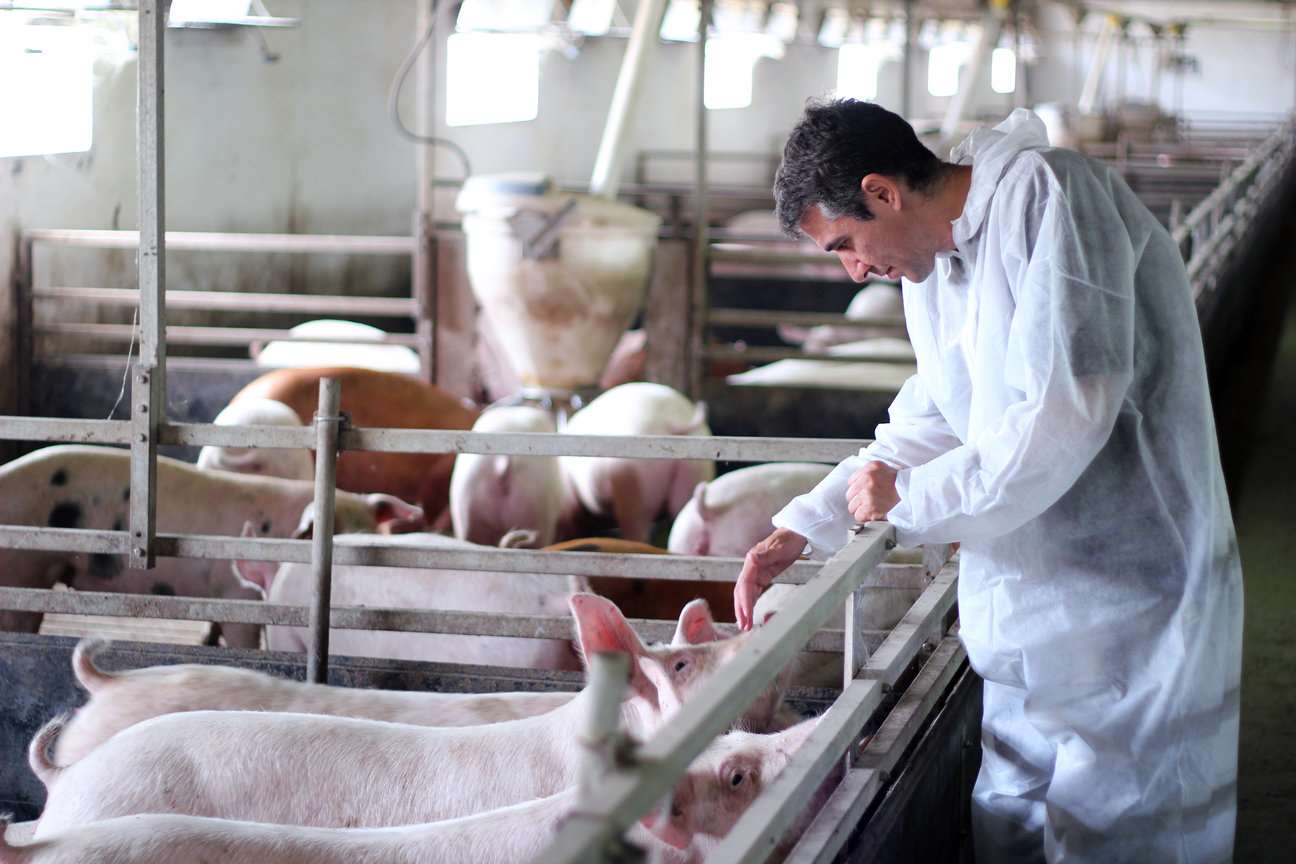
RGtimeline/iStock/Getty Images Plus photo
Pigs could assist in putting only the most successful drugs on pharmacy shelves, thanks to Penn State University researchers.
With immune systems and gut bacterial profiles similar to humans, pigs can be used to test treatments for diseases that are linked to high-calorie diets.
Mice, which are often used to test drugs, do not always react to the treatments in the same way that humans would, according to Jairam K.P. Vanamala, associate professor at Penn State.
"Seven out of ten deaths in the United States are due to chronic conditions," Vanamala said in a university release on Thursday.
Despite the prevalence of disease, drugs in the marketplace still have a high failure rate, added the associate professor.
By testing treatments on pigs, researchers hope that drug failure rates for humans will decline.
"Mice models will continue to be important to study under certain conditions," Vanamala said in the release. "But, what we found is that the pig model has both a microbiome that is closer to the human microbiome and the intestinal physiology is, also, similar to humans."
The findings were published in the Cancer Prevention Research Journal.