This model helped meet the post-WWII demand
IN THE SHOP with Rachel
By Rachel Gingell
Farms.com
The Massey-Harris 44 was an important offering in the post-Second World War farming boom that swept North America. After years of almost zero production of new farming tractors and implements, farmers across the continent had a pent-up demand for new tractors. Farmers demanded bigger and better models, and the industry rose to the challenge.
Massey answered with a selection of four tractors, all released between 1946 and 1947. The Model 44 was in the middle of the lineup, with its 45 horsepower outranked by the Model 55’s 62 horsepower. The Model 44, however, became the most popular of the pair. It was the right amount of power at the right price point for the 84,000 farmers who eagerly purchased these new tractors.
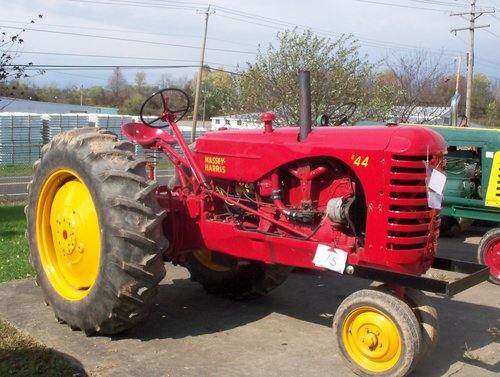
Wikimedia Commons photo
The 44 was offered in plenty of variants – a tricycle or wide front, four or six cylinder engine, gasoline, diesel, tractor fuel or LP gas. All of the tractors came standard with manual steering but a live PTO was offered as an option.
The Massey Harris 44 is a solid offering in the 45-horsepower class. It competed with the Farmall M, John Deere G, and the Moline U (among others).
The Continental motor in these tractors was a wet sleeved design, which isn’t my personal preference. However, it’s reliable and doesn’t have any major design flaws. Plenty of people love these tractors and they’ve served North American farmers well.
Unfortunately, parts are difficult to find for this tractor. There isn’t much interchangeability between this model and others from Massey Harris and, so far, the major aftermarket manufacturers haven’t picked up this model.
That being said, these tractors are very economical to purchase. If you find one that isn’t in need of major repairs (or if you come up with a good source of parts), this tractor can be a very reliable source of basic power around the farm.