Farms.com Home   News

Aphid-Eating Insects

By Elaine Lander and Karey Windbiel-Rojas

“Aphids are really bad this year!” This is what we've been hearing on social media and from many home gardeners. Aphids can curl leaves, stunt plant growth, and make a mess by the sticky honeydew they exude. Some aphid species create galls which can also damage plants. Low to moderate aphid infestations usually don't damage plants but if you do have more aphids this year, there are many options for controlling them.
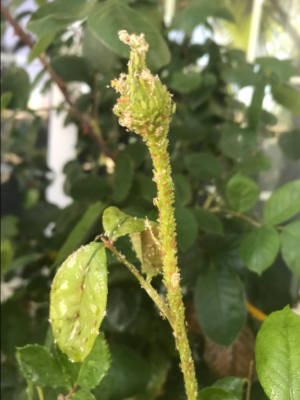
aphuds on roses

Aphids on roses

Aphids in landscapes and gardens can be managed by a number of different methods, including biological control. Biological control is when naturally occurring beneficial insects, mites, or other organisms (also called natural enemies) reduce a pest's abundance by eating or parasitizing them.

There are numerous natural enemies that are predators or parasites of aphids. Predators such as lady beetles (ladybugs), lacewings, syrphid fly larvae, and soldier beetles all feed on aphids. Very small parasitic wasps lay their eggs inside aphids which eventually kills the aphid host. Check out the video below to see aphid-eating insects in action!

Source : ucanr.edu

Trending Video

What Is Remote Sensing In Precision Agriculture? - The World of Agriculture

Video: What Is Remote Sensing In Precision Agriculture? - The World of Agriculture

What Is Remote Sensing In Precision Agriculture? In this informative video, we will dive into the fascinating world of remote sensing and its role in precision agriculture. Remote sensing technology allows farmers to gather critical information about their fields without the need for physical presence. By utilizing satellites, drones, and aircraft equipped with advanced sensors, farmers can monitor various aspects of their crops, from temperature and moisture levels to overall plant health.

We will explore how the data collected through remote sensing can empower farmers to make strategic decisions for their crops. With the ability to identify specific areas that require more water or nutrients, farmers can optimize resource usage, leading to healthier plants and improved yields.

Moreover, remote sensing plays a vital role in tracking crop growth over time. By comparing images taken at different growth stages, farmers can evaluate their crops’ development and adjust their management practices accordingly.