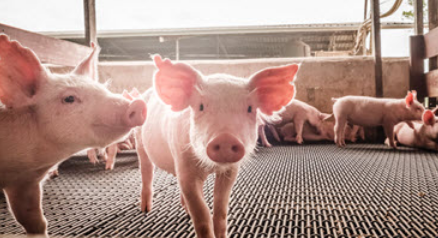
Davy3 Photo/iStock/Getty Images Plus photo
By Rob Hatchett
The African swine fever (ASF) epidemic that has decimated Chinese pig populations by an estimated 40 to 60 percent appears to show some signs of easing. China’s Ministry of Agriculture and Rural Affairs (MARA) reported that while the overall pig herd fell 0.6% in October for the smallest contraction in a year, the population of breeding sows rose 0.6% the same month. October’s reduction in the overall pig population compared with 3% in September and was the smallest month-over-month reduction in a year. Yang Zhenhai, the director of MARA’s animal husbandry and veterinary bureau, stated that the ministry expects for pig stocks to further improve by the end of 2019.
Official November figures released the second week of December showed a month-over-month increase in the pig herd of 2%, which would be the first increase in a year. The rebound in pig populations has been attributed to large-scale farms slaughtering more than 5,000 head per year. Total populations in this category were shown to have increased 1.9% in November while their sow stocks were up 6.1% over the same period.
According to official U.S. Department of Agriculture (USDA) estimates, world soybean imports experienced their first year-over-year setback since 2008/09, totaling 4.9% in the 2018/19 marketing year. Chinese demand slipped 12.3% from the ASF impact, but was tempered by year-over-year growth in ex-China imports of 7.2%. Continued progress in the rebuilding of China’s hog population is viewed as a positive to world vegetable protein demand and, coupled with fresh import tariff exemptions on U.S. soybeans issued by China late last week, should bring additional demand back to the U.S. ahead of new crop South American supplies collected next spring.
Source : US SOY