When thinking of emerging markets for U.S. grains and co-products, places like Africa and Southeast Asia may easily come to mind. Southeast Mexico, however, may hold the key to new opportunities in a country that has been a strong partner for U.S. agriculture throughout the years.
Last week, U.S. Grains Council (USGC) staff spent time in the southeastern region of Mexico, sharing the results of distiller’s dried grains with solubles (DDGS) trials with ranchers in the area who have not been aware of the product and its nutritional components in their animals’ feed.
“Southeastern Mexico is the country’s source for feeder cattle in northern Mexico. Producers rely on grassing and dual purpose to manage their cattle. By teaching how to supplement their cattle with DDGS-based concentrates, we are helping them become more efficient and productive,” said Javier Chávez, USGC marketing specialist in Mexico.
“This market is very spread out, and no grain company has the ability to reach them as the Council does with their programs. Perhaps, in the short term, the results are difficult to measure, but as some of them grow, they will have the backing that our educational program has given them along with the development of suppliers to the region that we hope will become important end users as well.”
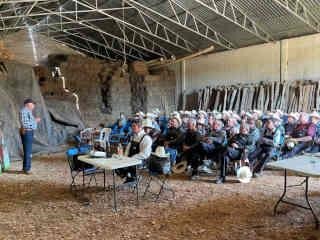
To close the program, the team traveled to Campeche, Mexico, where they presented the results of two different DDGS trials – one on calves and the other on dairy cows – to the Nuevo Durango Mennonite camp. USGC Consultant Eduardo Christensen (pictured) presented the results before USGC memorandum of understanding (MOU) partner PROMEXA offered an overview of its DDGS base concentrate.
Click here to see more...