Disease is a real and persistent threat for commercial citrus growers. A large part of citrus disease management actually starts with home citrus growers. Having proper disease management practices in home gardens is paramount to the safety and success of commercial-scale citrus operations.
Five Federally Regulated Pests
Alabama Cooperative Extension System Plant Pathologist, Kassie Conner, said growing citrus in the backyard is difficult because of two major limiting factors—disease and lack of cold hardiness.
“These factors have limited their use in Alabama landscapes to Mobile and Baldwin counties, as well as the Wiregrass region,” Conner said. “Citrus are susceptible to a number of disease and insect pests, some of which can be damaging to the entire citrus industry.”
Conner said it is imperative for home gardeners to watch their citrus trees carefully for five different federally regulated citrus diseases and insects. These five regulated diseases and insects include
- Huanglongbing (HLB or citrus greening)
- Asian citrus psyllid (ACP)
- Citrus canker (CC)
- Citrus black spot (CBS)
- Sweet orange scab (SOS)
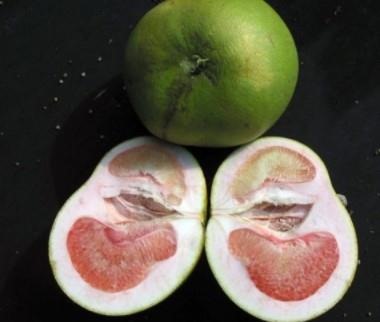
Lopsided fruit caused by citrus greening.
In Alabama, professionals have identified all of the previously-mentioned pests–except for CBS. Baldwin and Mobile counties are under quarantine for HLB and SOS and the entire state is under quarantine for ACP.
On Feb. 11, the Alabama Department of Agriculture and Industries established a citrus canker quarantine in Mobile County.
Learn more about these diseases and control methods in Alabama Extension’s publication, Citrus Care for the Home Gardener.
Diseases are Highly Contagious
The regulated citrus diseases can be highly contagious. They spread by wind-driven rain, overhead irrigation, flooding and human movement.
“Environmental factors, such as wind and rain, cannot be controlled,” Conner said. “However, the spread of pests by humans is manageable by preventing transportation of infected plant material.”
One of the ways homeowners can prevent the spread of citrus pests is by purchasing citrus trees that are under a compliance agreement with the state of Alabama. Trees grown as part of the agreement will have a tag with a registration number, indicating the retailer’s compliance.
Inspections
Homeowners growing backyard citrus may be subject to occasional inspections by the Alabama Department of Agriculture and Industries (ADAI). Inspections are routine and important because of the economic damage regulated citrus disease can cause to the state’s citrus industry.
Conner emphasizes the importance of grower cooperation in an attempt to protect Alabama citrus farms.
“If a positive occurrence of a regulated pathogen or pest is found on your property, the plants will need to be destroyed,” Conner said. “These regulated pathogens may kill or make the plant unproductive over time and serve as a reservoir for spreading the diseases to other citrus on the property or your neighbor’s property.”
No cure currently exists for regulated citrus pathogens.
Source : aces.edu