Farms.com Home   News

Finding the Latest in Weed Science Research

By Dwight Lingenfelter
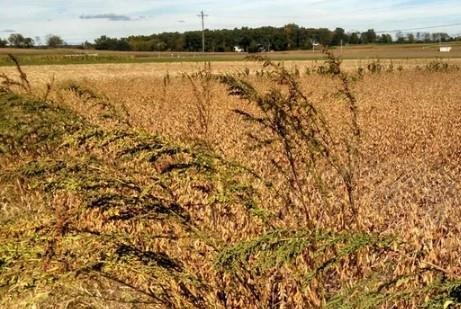
Weedy soybean field.

Weedy soybean field.

Now that the weather is turning colder, it is time to reflect on some of the happenings in weed science research across the United States and around the world. Every so often we try to write about the latest finding on interesting weed management topics such as weed electrocution (e.g., The Weed Zapper™), harvest time seed destroyers, (e.g., Harrington Seed Destructor - HSD), weed seeds in combines, precision sprayers, robotic weeders, cover cropping, and others. We sometimes get asked about where to find up-to-date information about these various topics and often refer them to some common online resources. There are numerous sites to find information, but three very useful ones are:

  • GROW, which stands for Getting Rid Of Weeds – through Integrated Weed Management, is a useful site with many interesting updates and short videos on a variety of topics. GROW provides information on herbicide resistance, optimizing herbicide use, equipment settings and improvements, cover crops, increased crop competition, harvest weed seed control, and more.
  • WSSA (i.e., Weed Science Society of America) is a non-profit professional society, promotes research, education, and extension outreach activities related to weeds; provides science-based information to the public and policy makers; and fosters awareness of weeds and their impacts on managed and natural ecosystems. There is a plethora of information and many links to other resources on this website.
  • The Take Action website is a great resource to get information about pesticide resistance and what steps to consider when managing it. The site provides detailed information on herbicide, fungicide, and insecticide resistance issues. The site has mode of action charts, pest ID resources, downloadable apps, and other practical tools to use in the field.

If you have some downtime this winter, consider perusing some of these online resources. They can definitely provide some valuable insight and maybe some different perspectives on your quest to combat weeds.

Source : psu.edu

Trending Video

Western Canadian Agriculture: Hard Times Made the World's Best Farmers

Video: Western Canadian Agriculture: Hard Times Made the World's Best Farmers

Western Canadian agriculture produced the most advanced farmers in the world not through abundance but through adversity. The crow rate fell. The wheat price went nowhere. The brown envelopes stopped.

When the subsidies disappeared, the bad farmers left and the good ones stayed. And the ones who stayed could not just grow wheat anymore. They started growing lentils and canola and peas and flax and faba beans. They built crop rotation. They got serious about agronomy because there was no government backstop. That process produced the Western Canadian agriculture Dennis Bulani describes in this clip: the most advanced, most educated farming culture in the world.

His contrast with Iowa corn and soybean farmers is sharp. At a DeKalb farmer meeting in Okoboji, Iowa, he asked what crop rotation they ran. Beans on corn stubble, corn on bean stubble. How do you fertilize? The co-op agronomist handles it. Have you considered other crops? No need. We make so much money on corn and soybeans. Western Canadian agriculture was never allowed that comfort. And now those Iowa farmers are watching soybean markets lock up with China and corn prices slide, and they do not have the agronomy knowledge or the research base to pivot. Western Canadian farmers adapted on a dime because they had done it before.

Dennis also makes the case that Western Canadian agriculture keeps adapting in real time. Low commodity prices over the past year have pushed growers to look seriously at precision spot-spray technology. He knows a neighbor who bought a sprayer with the seeing-eye system and sprayed only 80 out of 320 acres. As a chemical retailer Dennis acknowledges that will affect his sales. He supports it anyway, because if it advances Canadian agriculture and makes farmers money, that is a good outcome.

The lesson Dennis draws from the tale of two farms: continuous improvement is the only durable strategy. When canola was $22 a bushel some growers went to Arizona instead of the Crop Production Show. When the price came down those same growers came back to the research and the discipline. Products do not go on Rack Petroleum's shelves unless they pass a replicated trial first. That is what Western Canadian agriculture built through hard times: farmers who do the work whether the times demand it or not.

Dennis Bulani is CEO of Rack Petroleum and Ultimate Yield in Biggar, Saskatchewan. Dan Aberhart hosts GTF Productions, Western Canadian Agriculture's foremost live briefing platform and its foremost AI training platform for ag operators