Farms.com Home   News

Growers: Please Complete Pest Management Survey

Debbie Roos Extension Agent, Agriculture
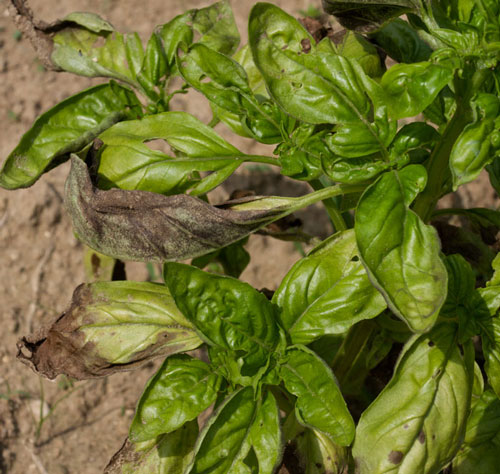
 

Basil downy mildew


North Carolina Farmers and Growers: North Carolina Cooperative Extension would like to hear from you about your pest management needs (diseases, insects, weeds, nematodes, rodents, etc.). Spend 10 to 15 minutes filling out a survey and let your voice be heard. The survey will tell us:

1. What kind of pest information you need!

2. How you want to receive it!

NC Cooperative Extension and the pest management team truly wants to shape their services to meet your needs, but we need your help. Please take some time from your busy day to fill out the survey.

To show our appreciation for your time, a drawing to win an agricultural book will take place each month until March. Two winners will be selected at each drawing. Choose among 7 titles including the new 2015 NC Agricultural Chemicals ManualIPM in Practice, NC Winegrape Grower’s Guide and more.

CLICK HERE TO TAKE THE 10 to 15 MINUTE SURVEY and REGISTER for the DRAWING


Source:ncsu.edu


Trending Video

Dicamba Returns for Georgia Farmers: What the New EPA Ruling Means for Cotton Growers

Video: Dicamba Returns for Georgia Farmers: What the New EPA Ruling Means for Cotton Growers

After being unavailable in 2024 due to registration issues, dicamba products are returning for Georgia farmers this growing season — but under strict new conditions.

In this report from Tifton, Extension Weed Specialist Stanley Culpepper explains the updated EPA ruling, including new application limits, mandatory training requirements, and the need for a restricted use pesticide license. Among the key changes: a cap of two ½-pound applications per year and the required use of an approved volatility reduction agent with every application.

For Georgia cotton producers, the ruling is significant. According to Taylor Sills with the Georgia Cotton Commission, the vast majority of cotton planted in the state carries the dicamba-tolerant trait — meaning farmers had been paying for technology they couldn’t use.

While environmental groups have expressed concerns over spray drift, Georgia growers have reduced off-target pesticide movement by more than 91% over the past decade. Still, this two-year registration period will come with increased scrutiny, making stewardship and compliance more important than ever.