There is a new and emerging weed challenging cereal grain and forage producers across the state. Roughstalk Bluegrass has taken root in wheat fields and newly established forage stands. This weed has reached population levels high enough to inhibit the harvest of cereal grains, reduce the quality of forages, and crowd out newly established forages.
What is it?
Roughstalk Bluegrass (Poa trivialis) is a perennial cool-season grass that has traditionally been an issue in turfgrass production. This plant can be found growing throughout the Midwest. Rough Stock Bluegrass has a high level of tolerance to shade and wet conditions or poorly drained soils. This weed can reach heights of 1-3 ‘tall. Often climbing above winter cereal grains and reducing growth. Most commonly Roughstalk Bluegrass is not noticed by producers until late May or early June when cereal grains are in the boot stage of growth.
How does it spread?
Roughstalk Bluegrass has two means of reproduction and spread, by stolon’s or above grown creeping stems and seed heads. The majority of spread in Cereal grain crops is by seed but for forages and turf stolon’s can be the main way this weed can spread.
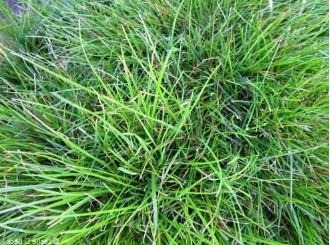
Roughstalk Bluegrass close up picture
IdentificationRoughstalk Bluegrass is very similar to turf bluegrass species. However, Roughstalk Bluegrass leaves are folded in the bud and have a membranous ligule that can be absent or be very long. “Rough” stalk Bluegrass gets its name from small hairs on the leaf surface and margin. This bluegrass, like turf-type bluegrasses, has a broad collar and a boat-shaped leaf tip. Roughstalk Bluegrass has yellow-green leaves that are shiny. The leaves can turn red during drought and heat stress. The plant goes to seed from mid-May to June, with an open panicle, like Kentucky Bluegrass.
Source :