By Kay Ledbetter
The recent Southwest Dairy Day gave dairy producers a glimpse at new technology and latest best-practices designed to provide better care for their animals and better products for consumers, said Dr. Ellen Jordan, Texas A&M AgriLife Extension dairy specialist from Dallas.
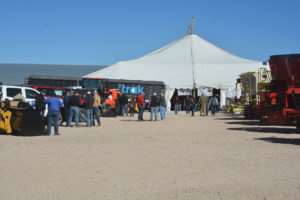
Southwest Dairy Days gives the dairy industry a chance to come together to see some advances and new technologies being used in the industry around the region and state to advance genetics, environmental protection, herd health and animal care, Jordan said.
“We always pick a different dairy to go to each year so we can highlight some type of new technology and look at some different facilities,” she said.
This year the event was at Avi-Lanche Jerseys dairy north of Dalhart, where she said they were able to highlight some of the advances the dairy has made to take care of their animals and protect the environment.
“We saw a huge representation of the dairy industry and support industries get together for a great educational event,” said Dr. Travis Miller, AgriLife Extension interim associate director of state operations in College Station. “We had many exhibitors displaying new technologies and a large number of specialists and agents making presentations for the tours.”
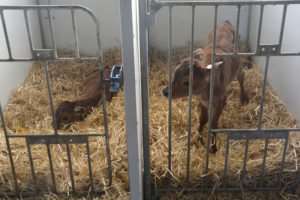
Jordan said Avi-Lanche Jerseys has done some outstanding work in the area of genomic testing to select for the most elite animals in the Jersey breed. In addition, they are working on unique aspects of production such as composting, calf management and overall animal care.
“They are doing several things here – they are pasteurizing colostrum to make sure their baby calves get that first milk that is as clean and sanitary as possible so they are less likely to get sick,” she said. “They emphasize the health and well-being of their animals in the way they manage this dairy every day.”
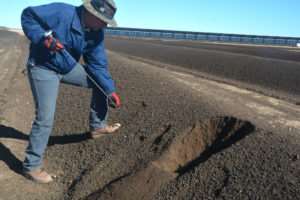
In addition, Avi-Lanche’s management includes collecting and composting the manure, “which kind of sanitizes it so it can be used as an organic fertilizer out on the fields,” Jordan said. Composting also removes much of the liquid so when they take it to the fields it is not as heavy, reducing the impact on roads and minimizing compaction in the field.
The dairy also captures rainfall and water used during production to recycle for crops and protect the nearby Ogallala Aquifer.
During the Dairy Days presentations, Dr. Jourdan Bell, AgriLife Extension agronomist in Amarillo, discussed the growing demand for quality silages on the Texas High Plains with the expansion of the dairy industry.
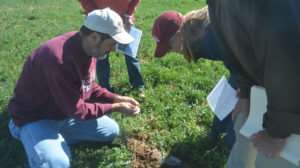
Historically, corn silage has been the predominant silage crop, but there are increased opportunities for sorghum to take a greater share of silage acres due to declining well capacities and pumping restrictions, Bell said.
In addition to management, knowledge of sorghum silage hybrids, yields and quality provides growers and end-users needed information to optimize crop harvest, ensiling and end-use, she said.
Click here to see more...