Farms.com Home   Farm Equipment News

Taking Drone Technology to New Heights with Sky Ag Tech and XAG

XAG V40

Introducing the XAG V40, a revolutionary mapping-then-application agriculture drone.

This is the first tilting twin-rotor structure ag-drone in the world that provides unique mapping-then-application solution for precision farming in small or mid-size farms, and other various scenarios.

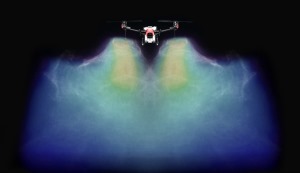
The XAG's unique centrifugal spraying system chooses specific droplet size for applications.

With this tech, XAG's ag drones are able to generate droplets evenly, every droplet size is the same in spraying. And the adjustable droplets size ranging 60 - 400μm. And with 5-10m effective spray width, V40 can cover 20 acres per hour (Spray rate: 12 L/acre).

Since the spray rate of aerial application is about 20% of ground application, with precision application techs, V40 can save extra 30%-50% chemical use and input cost, that means we only need 10%-15% spray rate vs ground applications. That's great help to both cost saving and go green!


Trending Video

Why the Fertilizer Crisis Won’t End When the Iran War Does

Video: Why the Fertilizer Crisis Won’t End When the Iran War Does

The fertilizer crisis didn’t start with war — it revealed a system already under strain.

Seed World U.S. Editor Aimee Nielson breaks down what’s really happening in global fertilizer markets and why the impact on farmers may last far longer than current headlines suggest. Featuring insights from global fertilizer expert Melih Keyman and industry leaders Chris Abbott and Chris Turner, this conversation explores:

Why fertilizer supply was already tight before geopolitical disruption

What the Strait of Hormuz and global trade routes mean for input availability

How rising nitrogen prices are crushing farmer margins

Why this crisis could affect seed choices, crop mix and acreage decisions

The hidden risks around phosphate and sulfur supply

Why experts say this situation may get worse before it gets better

Even if tensions ease, the underlying issues — supply constraints, investment gaps and purchasing behavior — are still in play.

Watch to understand what this means for farmers, the seed industry and the future of global food production.