The Texas Super Sweet Onion, or 1015Y, is famous for its sweetness, size and overall good performance as a cool-season crop in the Lone Star State, said a Texas A&M AgriLife expert.
These qualities led to that onion’s addition to the Texas Superstar listing, following years of evaluation by Texas A&M AgriLife Research and Texas A&M AgriLife Extension Service horticulturists.
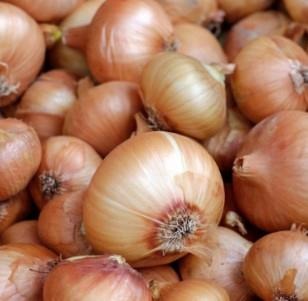
Texas Super Sweet Onions, or 1015Y, were recently named a Texas Superstar plant. (Texas A&M AgriLife photo)
To be designated a Texas Superstar, a plant must perform well for growers throughout the state. Texas Superstars must also be easy to propagate, ensuring the plants are widely available and reasonably priced.
Larry Stein, Ph.D., AgriLife Extension horticulturist, Uvalde, said Texas Super Sweet Onions have a long-established reputation for taste, size and performance in gardens around the state. Onions are ideal for many culinary uses as a baking ingredient or for stand-alone slices, grilling or in salads.
They are the perfect onion for novice or experienced growers to add to their garden, Stein said. They are a biennial plant, but grown as an annual from seed or transplants.
“The most impressive thing is you can grow them here in Uvalde to Lubbock; there are not a whole lot of garden plants that perform in part of the state as well as the other,” he said. “A lot of onion varieties have come and gone, but these are still here and performing well.”
Planting Texas Super Sweet Onions
Texas Super Sweet Onions 1015Y were named for their flavor and ideal seed planting date, Oct. 15. They are off-white to yellow color. Transplants can be planted November through February, and onion bulbs grown from seed are typically bigger than those grown from transplants.
Plants grown from seed take 105-110 days to be harvest-ready, and transplants typically reduce the maturation schedule by 30-40 days. If planting transplants, Stein said gardeners should buy the smallest plants available.
“Growing from seed takes a little longer, but onions are typically larger,” he said. “You just have to wait until April or May before harvest.”
Plant care, management
Plants need full sun exposure for optimum production, Stein said. They grow to 18-24 inches tall, and onions can grow to 6 inches in diameter. The onion plant has a fan of hollow, bluish-green leaves, and its bulb at the base of the plant begins to swell as it reaches maturity.
Plants perform well in any well-drained soil and are also resistant to diseases, including a fungal pathogen – pink root.
Texas Super Sweet Onions are heavy feeders, Stein said. He recommends “spoon-feeding” individual plants granular fertilizer every two weeks after plants begin to actively grow in the spring. Spread the fertilizer around the base and water the granules in.
Fertilizer amounts will factor into their taste, Stein said. Well-managed Texas Super Sweet Onions produce very little pyruvate, the substance that makes eyes water when sliced. Stressed plants will typically not be as mild. Well-fertilized plants also are very sweet, whereas reduced amounts of fertilizer applied can increase the pyruvate levels and reduces sweetness.
“Some people don’t like a super sweet onion, and prefer a little more kick,” he said. “The amount of fertilizer and water plays an important role in the flavor.”
Texas Superstar is a registered trademark owned by AgriLife Research, a state agency that is part of the Texas A&M University System. Plants are designated Texas Superstars by the Texas Superstar executive board, which is made up of nine horticulturalists from AgriLife Research, AgriLife Extension and Texas Tech University.
Source : tamu.edu