Empire State ranks in top three of national production
By Diego Flammini, Farms.com
People in New York and around the USA are eating cabbage and it’s proving to be an important part of the state’s agriculture.
“New York is well known for its maple syrup, its dairy products, its apples and its farm-based beverages, but the cabbage industry here is huge and it sometimes doesn’t get nearly the recognition it deserves,” said Agriculture Commissioner Richard Ball. “As a grower, cabbage is one of my favorite vegetables to grow. The value-added products that are produced by New York cabbages can be seen on tables across the globe throughout the year.”
Commissioner Ball used some stats to further his complimenting of cabbage.
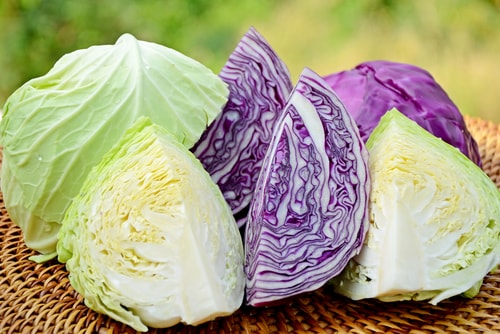
In 2014, the state harvested around 8,300 acres of cabbage valued at more than $72 million. Cabbage is responsible for more than a fifth of New York’s entire vegetable industry.
What makes New York a good place to grow cabbage is the cooler climate of the Finger Lakes region and Western NY.
“Our region tends to stay cooler in the summertime with a fair amount of natural rainfall, which cabbage tends to soak up pretty well,” said Eric Hansen, Co-owner of Hansen Family Farms which farms around 700 acres of cabbage. “We start harvesting in July and we don’t stop until the end of the fall.”
The top producing cabbage states in America according to the Agricultural Marketing Resource Center are California, New York and Florida.
The 2010 Agricultural Statistics Manual suggests those three states produced 12 million cwt (hundredweight) of cabbage, equal to 53% of the entire cabbage crop for 2009.