Began taking pictures of his farm and sheep
By Diego Flammini, Farms.com
With the advancements in social media and technology, the speed at which people communicate is faster than ever.
In the time is takes to snap a photo and post it online, people from around the world can view, comment on, and share that same picture.
James Rebanks, a farmer and shepherd of Herdwick sheep in the Lake District of the United Kingdom, was a little late to the social media party. But when he upgraded his phone and posted pictures of his sheep and farm life on Twitter, the welcome was overwhelming.
“The phone went crazy. It was pinging 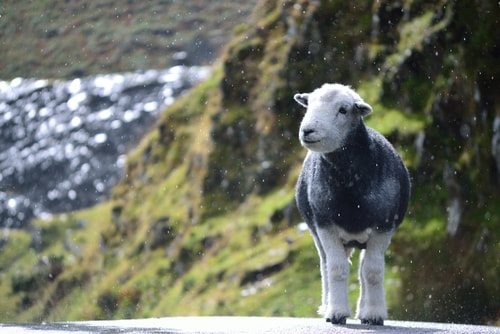 every five minutes,” Rebanks told CTV. “We realized that everybody is interested. Even if you’re not a farmer or not a shepherd, people miss that connection to the land and they feel very disconnected from the food.”
Rebanks took his new found Twitter following and wrote a book called The Shepherd’s Life: A Tale of the Lake District where he talks about the rural community who live and farm on the land – the same land his family has been farming for nearly 600 years and continue to do so today.
“Ours is a family farm,” Rebanks said. “My mother’s involved in looking after the farm right now and the rest of my family. My kids are really smart about the farm.”
Rebanks attributes his love of farming and books to his grandfathers.
“I had two amazing grandfathers,” he said. “I had one I doted on when I was a kid and wanted to be just like him. He was a shepherd. I bummed out of school as a teenager because I wanted to be like him.”
“I had another grandfather that I never met who left me an amazing shelfful of books,” Rebanks said. “Books I loved, particularly a book called A Shepherd’s Life by William Hudson.”
What’s the secret to being a good shepherd?
“You’re not a shepherd if you don’t have dogs,” Rebanks said, alluding to his two border collies, Tan and Floss. “They can gather a whole mountain in a way that you never could with a vehicle or machine. Sheepdogs do the work.”
Tell us your thoughts about James Rebanks and his decision to document life on his farm and turn it into a book. Is it a book you would consider reading?
Anyone interested in his journey can follow him on Twitter @herdyshepherd1.