The hope for a good October is one, Rick Roden says
By Diego Flammini
Staff Writer
Farms.com
Certain indicators exist that say spring is in the air.
The snow starts to melt, the days get longer, and the temperatures begin to rise, for example.
Another way of knowing spring has arrived is the kickoff of the Major League Baseball season.
When some people discuss baseball, they do so by describing the sounds of the ball hitting the bat or inside of the glove. Or the smell of a ballpark hotdog and enjoying it with a $12 beer.
Rick Roden is one of those people.
A dairy and cash crop farmer from West Bend, Wis., Roden is a big Milwaukee Brewers fan and played softball with other farmers in the community.”
“We called ourselves the Milkmen, and I was the pitcher” he told Farms.com. “It was a group of farmers, and we played every Tuesday or Wednesday night. We did that for about 10 years.”
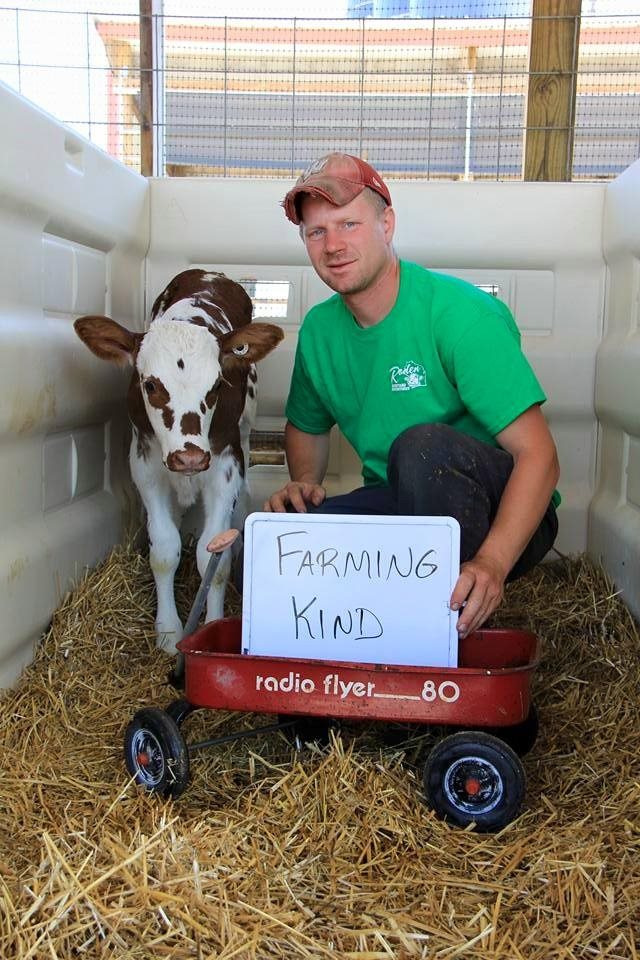
Rick Roden (Facebook photo).
He talks about farming with the same passion he has for baseball.
That’s because both activities start at the same time, he said.
“You can almost tie them hand in hand,” he said. “This is the beginning of our season, getting the seeds in the ground, giving them a good start, just like every team wants to have a good start.”
Baseball teams spend weeks in spring training preparing themselves for the season.
Farmers do that too, Roden said.
“Our spring training is getting our equipment ready,” he said. “We’ve got to make sure all of our equipment is in top shape for that first day of planting. Just like ball players have to make sure their bodies are ready for the long season ahead of them.”
Baseball has rain outs, just like farming does.
And the key to a good season is a good start.
As of April 12, the Tampa Bay Rays have the best record in baseball, sitting at 11-0. Roden’s Milwaukee Brewers are 8-3.
The baseball season has 162 games. Beginning with April 12, 162 days ends on Sept. 21, 2023, right before baseball’s post-season starts.
Or, for farmers, before harvest gets going.
“A good start in April gives us a chance to have a good harvest in October,” Roden said. “Baseball is pretty much the exact same.”
Most MLB teams have at least one all-star.
From Mike Trout and Shohei Ohtani in Los Angeles to Christian Yelich on Roden’s Brewers, every team has a standout performer.
But it’s the whole team that helps the organization succeed.
And a farm is no different, Roden said.
“The whole thing needs to click,” he said. “A tractor has to work to get the crop in, the combine needs to work to harvest the crop, and the chopper needs to work to harvest the hay,” he said. “Every piece of equipment and every employee has a strength. And it’s when you combine those elements together that you get a winning team. Just like on the ball diamond.”