Syngenta agronomists warn that weed presence and herbicide resistance are likely to be strong in 2016. With heavy rainfall in 2015 across the Midwest, herbicide applications were often delayed or abandoned. In addition, weed seeds likely spread to new areas as a result of flooding. Growers are now advised to prepare for heavy weed pressure.
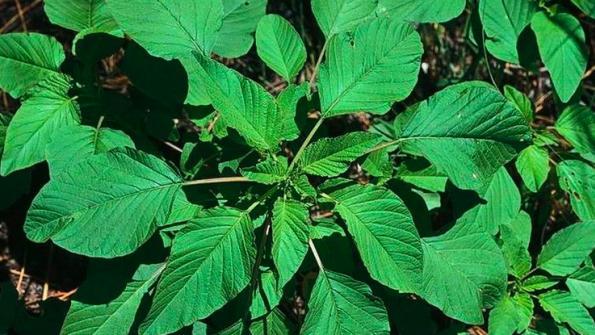
Palmer amaranth, specifically, may have a big impact on the season as it continues to spread from the South into the Midwest. This weed has proven to be capable of surviving in the Midwestern climate, according to new research from the University of Illinois Extension. After studying Palmer amaranth across Illinois, researchers concluded that all studied varieties of the weed were able to complete their lifecycles in every location. They did not find any limitations to the potential spread of this weed beyond Illinois.
In the wake of the wet 2015 season, Palmer amaranth is not the only weed expected to have a big year. Waterhemp and marestail are also likely to be strong competitors to soybeans. Flooding from last season creates a high risk that weed seeds traveled to new areas via the flow of water. These weeds – some of which are resistant to glyphosate – need to be identified and properly controlled early in the season to prevent additional seed production.
“You have to start clean. You cannot go out and plant into a field that has any live weeds in it anymore,” advises Phil Krieg, agronomic service representative for Syngenta. “You have to get rid of those in a burndown application. Secondly, you have to get good residual products applied to the soil that have effective multiple modes of action for the specific weeds that you’re trying to control.”
An effective weed control program starts early. Syngenta offers BroadAxe® XC and Boundary® 6.5 EC herbicides for pre-emergence weed control with long-lasting residual. These products can be followed by Flexstar® GT 3.5 herbicide, which is specifically formulated to combat soybean weeds that are difficult to control with glyphosate alone or are resistant to glyphosate and ALS inhibitors.
With the increased threat of weeds and expansion of glyphosate resistance this season, it’s vital to start with clean fields and a full rate of a pre-emergence herbicide. Staying vigilant throughout the season and applying a properly timed post-emergence herbicide can also keep weed populations low. These proactive decisions can reduce weed seed bank build up and delay the onset of herbicide resistance across the Midwest.
To learn more about BroadAxe XC, Boundary 6.5 EC and Flexstar GT 3.5, as well as other weed resistance management strategies, visit the Tools to Grow More Soybeans resource page. Join the conversation online – connect with us at social.SyngentaUS.com.