Fruit tree lovers should plant sooner rather than later, said Dr. Larry Stein, Texas A&M AgriLife Extension Service horticulturist, Uvalde.
“Right now is the prime time to plant and get the roots established before springtime,” he said. “The sooner the better.”
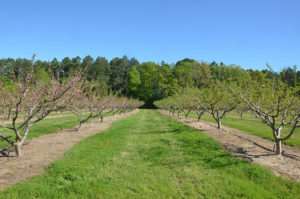
Stein said it’s important for growers and homeowners who want to plant a stand of fruit trees to contact local AgriLife Extension horticulture agents to learn about recommended varieties for the area.
“Chilling requirements are a main factor,” he said. “Trees you would grow in San Antonio you wouldn’t grow in Dallas because they would bloom way too early and then the fruit would probably freeze.”
Properly chosen varieties will produce higher quality fruit as well as show better disease resistance and taste, Stein said.
Stein said the 2017 season could be a challenge for fruit growers if chill hours continue to be limited due to the unexpected warmer-than-average winter.
“If you don’t get enough cool weather the trees struggle to break dormancy and bloom,” he said. “And a lot of times if they do bloom under those conditions the fruit will abort.”
Peaches are the No. 1 fruit tree in Texas, Stein said. Producers have variety options available for all regions of the state.
Stein said the key to planting peaches starts at a reputable nursery that handle and heel trees, which is covering plant roots temporarily in preparation of permanent planting, properly. He also recommends planting bare-root trees, but cautions the roots can freeze or dry out if the trees are not handled properly.
They should also be planted in soil that drains well, he noted.
Heavy rains can kill peach trees if there is standing water around them, even for just a day in the middle of summer, he said. Stein said heavy spring and late summer rains cause problems in some areas due to inadequate drainage.
Beyond proper chilling hours and soil drainage, Stein said keep weeds and grass away from fruit trees as well.
“If you don’t do any more than that, you will be amazed at how well the trees will grow,” he said.
Plums are good supplemental fruit trees for peach growers because they require many of the same conditions, Stein said. Apricots are another popular choice that require similar growing conditions, but they are inconsistent performers.
Blackberries are a low-maintenance fruit plant that is very popular in Texas, Stein said.
One decision for growers who are planting blackberries is whether to go with plants that are thornless or have thorns, he said.
“Thorny have the best quality fruit and size and best overall production, but they are a challenge to harvest,” he said.
Pears are a long-living fruit tree alternative, Stein said. The key is selecting the right variety.
Stein said to watch out for signs of fire blight in pears, which is a bacterial disease spread by bees as they pollinate. Growers should choose blight-resistant varieties or be prepared to watch their trees die.
Click here to see more...