By Adam Russell
Providing forage and feed supplies with the proper nutritional value for cows is an important consideration for producers as winter approaches, said Dr. Jason Banta, Texas A&M AgriLife Extension Service beef cattle specialist, Overton.
Testing hay for quality can provide information producers need to meet the nutritional requirements of cows and keep them in good condition through the winter, Banta said.
By determining the hay supply’s crude protein content and total digestible nutrients, or TDN, which is the measurement of available energy in the forage, producers can determine whether supplemental feed will be necessary, Banta said. Knowing what type and how much supplemental feed is needed can save producers money long term.
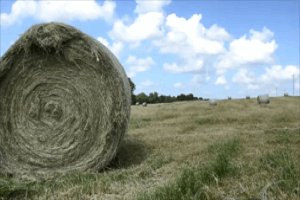
“Sometimes we find hay is better than we thought, and we can save some money on supplementation,” he said. “At other times we find the hay wasn’t as good as we wanted, so we do need to provide our cows with some more protein and energy supplements to make sure they are in the condition we want before calving so we optimize their pregnancy rates in the future.”
Banta said body condition scores for 4-year-old or older cows should be 5 or better at calving. Scores for 2-3-year olds should be 6 or better.
Nutritional needs vary for various animals in a herd, Banta said. For instance, lactating cows require more protein and TDN than dry cows.
Tested hay should show a minimum of 11-11.5 percent crude protein and 63 percent TDN on a dry matter basis to maintain most lactating cows, he said.
Banta recommends visiting with a nutritionist to determine appropriate tests for specific hay species being tested. The nutritionist can also recommend a reputable lab.
“Labs can vary on how accurate their tests are and how quickly they can turn samples around for producers,” he said. “So selecting the right lab is important.”
Click here to see more...