Indiana Board of Animal Health says there’s no risk to human health
By Diego Flammini
Assistant Editor, North American Content
Farms.com
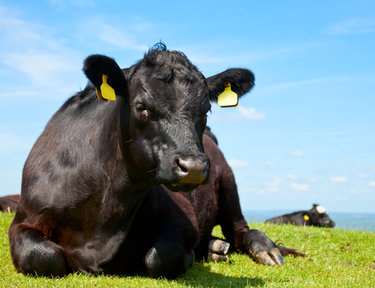
Indiana’s Board of Animal Health confirmed the presence of anthrax on a beef farm in the southern part of the state.
A December 1 release by the Board of Animal Health (BOAH) says a veterinarian collected tissue from a mixed-breed bull after it died unexpectedly.
“The infected animal was incinerated on-site, and the farm was placed under a 30-day quarantine and observation order by the Indiana State Board of Animal Health,” the release reads. The BOAH suggested other animals in the herd receive vaccinations.
Anthrax can occur naturally in soils which puts grazing animals at the highest risk of infection. Biting flies and other insects can also cause an infection.
While it is possible for humans to contract anthrax from animals, the BOAH said the current situation “does not pose a public health threat.”
But people who contacted the infected animal directly are at a “minimal” risk of infection, according to the BOAH.
The BOAH called it an “unusual finding” but is reminding livestock and horse owners to refresh themselves when it comes to possible symptoms.
According to the Canadian Food Inspection Agency, symptoms of an anthrax infection include:
- One or more sudden deaths
- Feed refusal
- Lower milk production
- Difficulty breathing
- Develop swelling under the jaw where the head joins the neck and lower abdominal areas
- Elevated temperature
- After death, the carcass may leak bloody fluids from body openings and bloat rapidly
The Indiana BOAH is encouraging farmers to contact the department if they notice any possible anthrax symptoms.
Farms.com has reached out to the Indiana Beef Cattle Association for comment.