Amidst the COVID-19 pandemic, farmland real estate transactions have continued with business as almost usual
Staff Writer
Farms.com
Many areas of the agricultural industry have experienced effects from the COVID-19 pandemic, but so far, farmland real estate keeps moving.
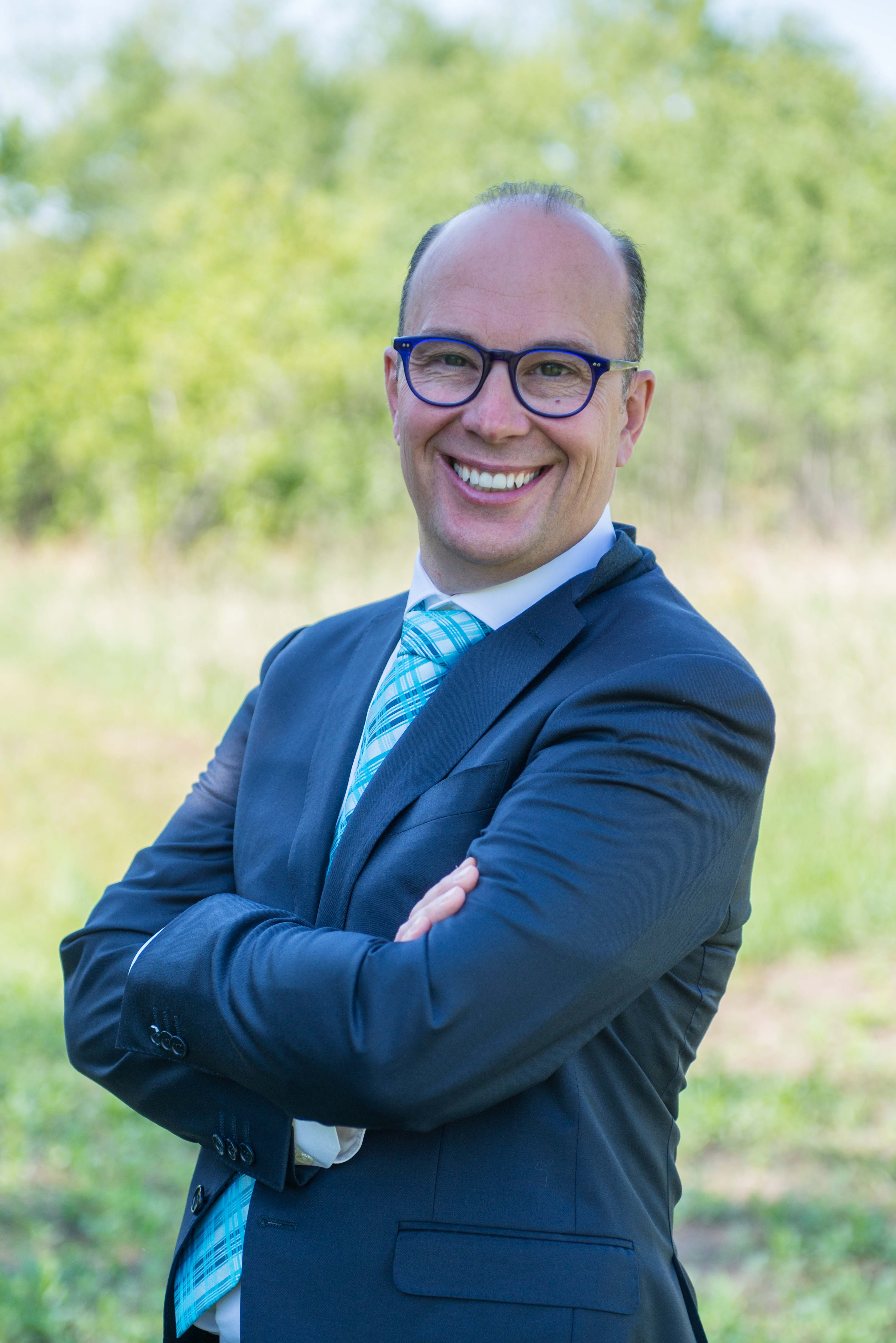
Ted Cawkwell is an agriculture specialist realtor with Remax Saskatoon. Cawkwell and his team at Cawkwell Group specialize in agricultural real estate.
Cawkwell’s team has seen a bit of a slow down, with sellers down 30 to 40 per cent and buyers down 10 to 15 per cent, he said.
But “it really is too early to tell. This is just based really on the past month or few weeks,” said Cawkwell. “Most buyers are still active. Some sellers have decided to wait a few months until this blows over. The good thing about farmland real estate is it's not affected to the same level that residential or even commercial real estate is.”
While residential and commercial real estate are tied to the economy, farmland real estate isn’t. The economy could be down and ag could be doing well and vice versa, said Cawkwell.
“The income at the farm gate propels the farmland real estate market and it looks fairly positive. So, I think anyone in agriculture is feeling fairly blessed right now. People still need to eat, and the prime minister has said agriculture is an essential service,” Cawkwell told Farms.com.
Some positives have also developed for farmers during the pandemic, such as low fuel prices and the Bank of Canada dropping interest rates, said Cawkwell.
“I'm not trying to paint a picture where there aren't going to be challenges for farmers and for the industry but, oddly enough, there are actually a few positives coming out of this,” he said.
As for Cawkwell and his team, which includes a drone pilot and administrative staff, it’s been business as usual for the most part. For about six years, they have worked virtually.
The team completes most sales without having to do showings, which differs from residential or commercial real estate.
“Twenty per cent of the listings still require showings. … Typically, the ones with houses and buildings on the farms are the ones that are viewed more often,” said Cawkwell.
Ted Cawkwell
Recently, Cawkwell had to tell a buyer he couldn’t show him the listing because of the pandemic.
“It was a really great buyer who I've worked with in the past. He was very serious about buying and wanted to come out … from Alberta to view (the property). I had to tell him that I wasn't comfortable with it and that we can reconvene when this is over. He responded really well,” said Cawkwell.
“COVID-19 is escalating so fast that, four or five days after his request, he was like ‘thank you for saying no.’ He just wasn't in that mindset yet but he's there now.”
The team offers a lot of options for buyers to view listing virtually with drone videos, virtual tours of the house and live satellite links of the land, said Cawkwell.
Overall, Cawkwell expects a good outlook for the farmland real estate market.
“It's certainly not without challenges today. This is a challenge area with everybody involved but I'm really positive looking forward. I think, once this is over, we're going to be back to business as usual and hopefully things will carry on. We just have to weather the storm,” said Cawkwell.
IMNATURE\iStock\Getty Images Plus photo