Will grain yields be impacted by the wet cold and late spring planting season of 2017?
How will this impact the growing season and how are the crops currently progressing? How are the stands and populations and drowned out areas and holes? Did any acres get switched from corn to soybeans? How will the current state of the crops impact the price of corn and soybeans at harvest time?
As in previous years, Farms.com Risk Management Chief Commodity Strategist Moe Agostino will tour 12 U.S. states to provide farmers with an indication of where grain prices may be headed and provide them with a selling advantage as part the 2017 U.S. Corn Belt Crop Tour.
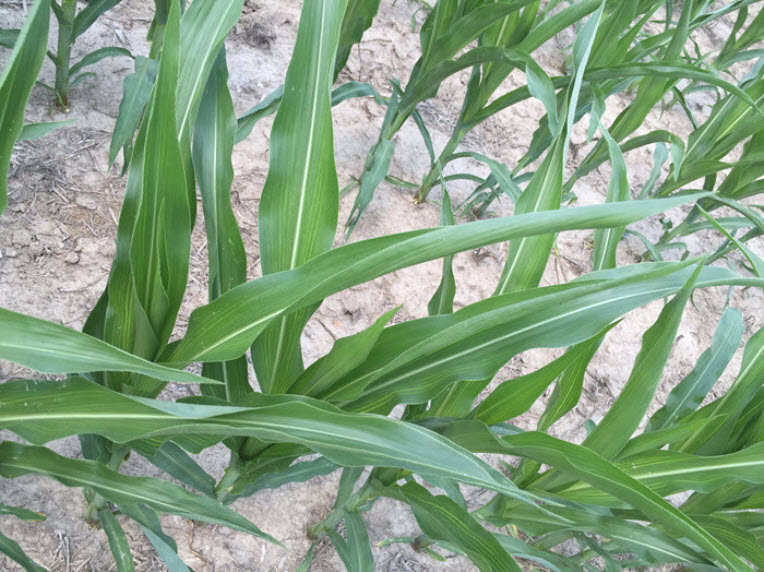
Indiana field in June 2016 -- reviewed as part of 2016 Tour
The opportunity to potentially book the price of corn or soybeans at the right time, thereby increasing bottom line results, can be appealing to many farmers.
Agostino will visit 12 U.S. states, starting in Ohio and then moving on to Indiana, Illinois, Missouri, Kansas, Nebraska, South Dakota, North Dakota, Minnesota, Iowa, Wisconsin, ending in Michigan. The tour will take place from June 24, 2017 to July 10, 2017.
As Agostino travels the 12 states he will be visiting farmers’ fields, conducting interviews with farmers where they will share tips for best farming practices, interviewing corn and soybean experts, he will also be tweeting throughout the tour to provide farmers with an overview of the current growing season.
Farms.com Risk Management is still looking for farmers to interview and, more importantly, farmers’ fields to visit and assess in each state. If you are interested in volunteering to have you farm featured on the tour, please complete the online Volunteer Application form.
If you would like to follow Agostino as he tours, there are three options:
- Visit the Farms.com Risk Management Website
- Download the Farms.com App:
- Follow the Hashtag #cornbelt17 on Twitter
Every farmer needs a great pair of work boots for the farm. Farms.com Risk Management is inviting corn and soybean farmers to participate in the tour by tweeting their best farming tips to achieve higher corn and soybean yields. Those who participate will have the chance to win a pair of Blundstone CSA work boots!
In addition to tweeting their farming tips, to enter the contest, farmers can tweet a photo of their field, retweet a #cornbelt17 tweet, or like a #cornbelt17 tweet, and they will automatically be entered to win the Blundstone boots. Follow Farms.com Risk Management on twitter @FarmsMarketing.
The tour is being sponsored by the following companies: Greenfield Global, Alpine, Better Farming, Ag Buyers Guide, U.S. Farmer Magazine, Climate FieldView, Maizex, Alpine/Nachurs, RCM Alternatives, Rocky Mountaineer, and Travel Only.