Bean acres were lower than in 2015; winter wheat survival deemed excellent
By Diego Flammini
Assistant Editor, North American Content
Farms.com
OMAFRA released its seasonal summaries for dry edible beans and cereals, giving producers an idea of how the crops performed throughout Ontario this year.
When it comes to dry edible beans, acreage experienced a significant drop.
According to the summary, farmers planted 46,194 acres of white beans in 2016 compared to 62,693 acres in 2015; producers planted 60,668 acres of coloured beans this year compared to 71,855 in 2015.
Cranberry beans also dropped from 15,901 acres in 2015 to only 9,575 acres in 2016.
Farmers that did plant dry edible beans had cooperative weather.
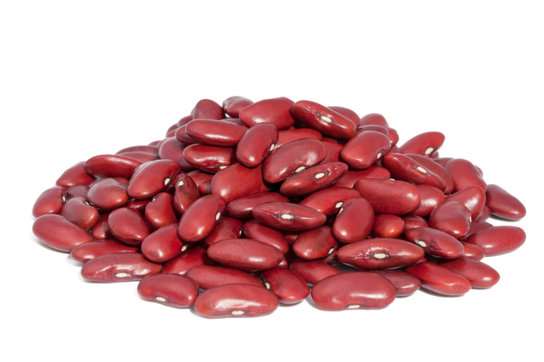
“Spring conditions were generally excellent for planting edible beans,” the summary reads. “The majority of fields were dry enough to plant in the last couple week of May, although some heavier ground remained wet longer.”
For some farmers who waited until June to plant beans, the report says emergence was slow and uneven in some areas but it was helped out slightly by some timely rains.
“Rain events in August may have helped some of the later planted dry edible beans, but much of the crop was too far along to benefit at that time,” the summary says.
According to the summary, edible bean seed dealers indicate the average yield will be below 2,000 lb/ac.
With respect to winter wheat, planting conditions last fall allowed farmers to be in the field longer.
“Optimal fall planting conditions in 2015 resulted in approximately one million acres of winter wheat being seeded,” reads the report. “Excellent weather conditions through to November provided an opportunity for wheat to be well tillered before winter.”
OMAFRA called the crop’s winter survival “excellent,” despite March’s heavy rainfall and cool temperatures at night.
“Very cool nighttime temperatures and lack of snow cover throughout March and April resulted in purple wheat throughout much of the province,” OMAFRA said in the summary. “Once the weather began to warm up, the wheat greened up again.”
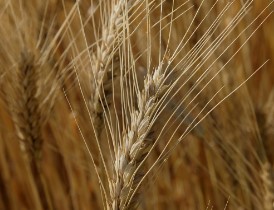
Yields varied by region. Very dry areas averaged from 60 to 80 bu/ac, while areas with adequate moisture received closer to 120 bu/ac; a record yield of 158 bu/ac was confirmed in Chatham-Kent.
The average winter wheat yield was 95.9 bu/ac.