The province has experienced 59 PED cases so far this year
By Diego Flammini
Assistant Editor, North American Content
Farms.com
Manitoba Pork wants members to know resources are available for anyone experiencing stress as a result of the increasing number of Porcine Epidemic Diarrhea (PED) cases.
“I am looking at creating a one pager for the employees that, if they need help, if they’re feeling distressed, if they’re feeling uncomfortable, if they’re suffering from the emotional trauma of what’s going on, there’s help out there,” Janice Goldsborough, human resources and training coordinator with Manitoba Pork, told Farmscape on July 18.
There are also mental health tips in Chop Talk, Manitoba Pork’s internal paper. The organization is seeking advice from Klinic, Manitoba Farm and Rural Support Services, and Mental Health Manitoba, Goldsborough said.
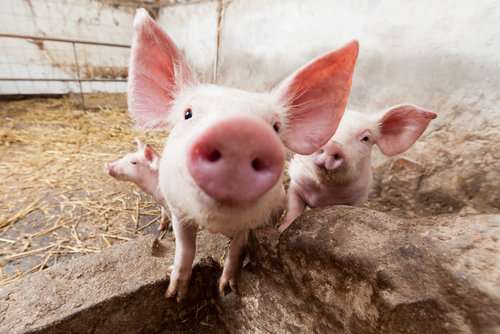
Since May 2017, there have been 59 confirmed cases of PED across the province, mostly in southeastern Manitoba.
The rise in PED cases is alarming to members of the pork community.
“It caught us off-guard,” Andrew Dickson, general manager of Manitoba Pork Council, told The Canadian Press on July 10. “We had a total of 10 cases in three years, so that’s what’s throwing us off for a loop … What happened this year that we’ve suddenly got (more than) 50?”
Manitoba Pork hosted a telephone town hall meeting on July 19 to provide updates on PED situation.
Farms.com will bring you the details of the town hall once they become available.
The Canadian Food Inspection Agency confirmed the first case of the disease in Canada in January 2014 on an Ontario farm. The disease has also been discovered in Quebec and Prince Edward Island.