Global supply chains continue to be weakened by the effects of the COVID-19 pandemic. The problem is complicated, with many issues like container shortages, chassis shortages, truck-driver shortages and more, all adding to the tangle of commerce.
Dan Halstrom, president and CEO of the U.S. Meat Export Federation, spoke to KC Sheperd, associate farm director for Radio Oklahoma Ag Network, about how weakened supply chains are threatening the momentum U.S. meat exports have gained in the last year or so.
“I think there is no lack of understating that it is an issue,” Halstrom said. “The good thing is there has been a lot of focus on it; it is really front and center in conversations today and I do think things are starting to turn for the better.”
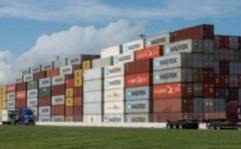
Around ports all over the U.S., massive container vessels lay dormant waiting to be unloaded for weeks. As of last week, an excess of 55 vessels waiting to unload in Long Beach, Calif., Halstrom said.
“This is what we have to start working through; getting through some of this backlog,” Halstrom said. “From a timing standpoint, we have passed the peak season for imports … so maybe we can start working through some of this backlog.”
Halstrom said this is an international supply chain issue, but the U.S. is being disproportionately impacted due to a higher demand for imports than exports.
Still, demand for U.S. meat is stellar, according to Halstrom. If supply chains begin to get straightened out, U.S. meat exports are expected to break records in 2022.
Click on the LISTEN BAR below to hear more from KC Sheperd and Dan Halstrom as they talk about how the global supply chain is affecting U.S. meat exports.
Click here to see more...