Winter frost can damage and even kill your plants
Frost damage to plants is the single biggest cause of economic loss to crops in the United States – far surpassing any other weather related issue. While frost doesn't impact the home gardener on the same scale, it can be disheartening to lose plants in a sudden freeze.
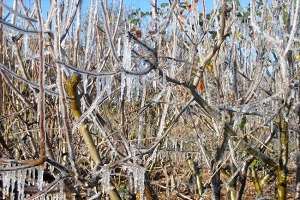
Citrus, succulents, newly planted or tender perennials, and many tropical and subtropical plants all are vulnerable.
Frost damage occurs when the water inside the cells of a plant freeze, causing damage to the cellular walls, which degrades the overall health of the plant. Affected plants will wilt and in severe or prolong periods of frost, die.
Shoots, buds and flowers will wither and turn brown or black as if they have been scorched. Even bark can crack or split and die off.
Young, newly planted, specimens are especially vulnerable.
We already have had several days of frost and freeze here in the Bay Area, and it looks like more is on the way. So, how do you protect your prized citrus, succulents, rhododendrons and azaleas?
- If a severe freeze, or multiple days of below freezing weather is expected, water 2 to 3 days ahead of time. This will increase the soil's ability to retain and give off heat.
- Wrapping trunks of young trees with blankets, towels or piping insulation will provide added protection.
- If you are doing container gardening and are able to pull pots into the garage, shed or other enclosed area, that would be ideal. Otherwise, move them up against the side of the house or garage, preferably beneath an overhang.
- Stringing your plants with old-fashioned, incandescent Christmas lights –not LEDs — can be very helpful. Covering the lighted plants with frost cloth, sheets or blankets will add 4 to 8 degrees of protection, enough to keep most plants alive.
- Frost cloth is lightweight enough to leave on for several days, however heavier covers should be removed each day once the temperature has warmed up, and then reapplied each night before sunset.
- Make sure the cover goes all the way to ground in order to capture the radiant heat from the soil. Also, stake heavier covers so that the weight won't break branches, damage the leaves or suffocate the plant. You can also use inverted boxes, buckets and plant pots.
- Adding a 2- to 3-inch layer of mulch around your plants can also help, but be sure to stay several inches away from the trunk or stem; mulching too close will cause the plant to rot.
- There are many varieties of foliar sprays available today that claim to protect against frost. Although recent field trials have shown no real harm in using them, they also show have found little to no actual protection from these products. You are better off using other methods to keep your plants safe.
- Wait until all chance of frost has passed before trimming off any damaged or diseased branches. Pruning too soon can cause significantly more trauma, even death, to a young, vulnerable plant that might otherwise have recovered in the spring.
Source: ucanr.edu