It was the second week in September, and he saw the robust sweet potatoes sticking their spuds out of the soil. He had planned on harvesting the sweet potatoes later just before the first frost. However, like many vegetable growers, Reid Young, changed his harvest plan and freed the sweet potatoes from the soil early. Reid Young is a program coordinator in Local Foods for the University of Illinois Extension and grower at the community garden for Unity Community Center. This small patch of land, around 2800 square feet, is dedicated to the families of Unity youth and the surrounding community as a source of fresh vegetables.
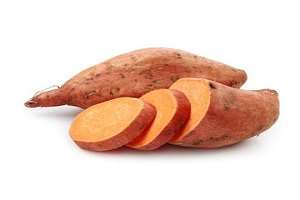
Reid grew around 200 lbs. of sweet potatoes in 45 square feet, double the standard harvest average. He grew the sweet potatoes to satisfy requests from Unity families that includes a large Congolese population. He used a potato fork to gently loosen the soil around the potatoes and grabbed the vine to reveal rather large sweet potatoes. He says they grow similar to regular potatoes, but they were in fact significantly bigger. After harvest, he is now curing them. He will set them aside for two weeks in a well ventilated and warm place before distributing the produce. This is ideal timing for the harvest party he will host for the community on October 15.
Reid says curing them will make them have a sweeter flavor, heal wounds and grow thicker skin ideal for storage. These abundant sweet potatoes are the product of a June 2 planting of sweet potato slips he procured from a local vendor. Found through local vegetable growers, slips are shoots that have been grown from a mature sweet potato. Each sweet potato can produce up to 50 slips that can then be planted in the ground. Before he planted he tilled in straw to break up the heavy clay soil in the garden.
Sweet potatoes, being a tropical plant, usually need four to five months of warm day and night temperatures for optimal growth. They require well-drained and loose soil. Reid says he will grow more next year but this time find a location in the garden that boasts less of the heavy clay. They are sensitive to cool temperature so must be planted later in the growing season, at least three to four weeks after our last frost fee date in Illinois. His growing season was more than ideal with plenty of moisture and high temperatures this past summer. The sweet potatoes that he cures for the families can last until April. However, they are sure to be gone with the upcoming holiday family festivities.
Source: illinois.edu